



































![Pepperfry Kitchen Multipurpose Stainless Steel Scissors – At Just ₹1 [MRP: ₹499]](https://savefree.in/uploads/images/202607/image_870x580_6a682bb9c6d94.webp?#)



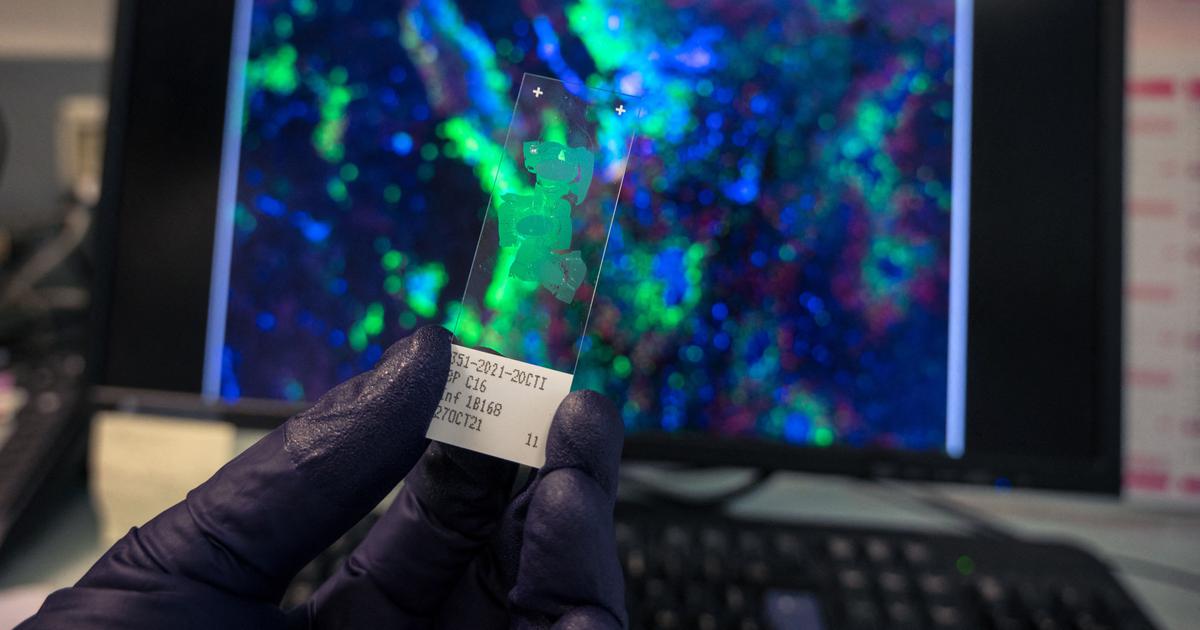
Cancer research: Scientists are trying to target early signs long before tumours develop
Join our WhatsApp Community to receive travel deals, free stays, and special offers!
- Join Now -
Join our WhatsApp Community to receive travel deals, free stays, and special offers!
- Join Now -

Cancer treatment follows a familiar pattern: doctors spot symptoms, diagnose the disease and start treatment. But scientists are now exploring a radical shift in how we tackle cancer. Instead of waiting for tumours to appear, they want to catch the disease decades before it develops.
This approach is called “cancer interception”. The idea is simple: target the biological processes that cause cancer long before a tumour ever forms.
Researchers are hunting for subtle early warning signs. These include genetic mutations that quietly build up in our cells, giving them advantages against our immune defences.
They’re also looking at precancerous lesions like moles or polyps, and early visible changes in tissue. All of these appear long before cancer becomes obvious.
Large genetic studies reveal that as people age, their bodies accumulate small groups of mutated cells called clones that grow silently. Scientists have studied this particularly well in blood. These clones can help predict who might develop blood cancers like leukaemia, and the genetics, inflammation and environmental factors strongly influence them.
Crucially, doctors can measure and track these changes over time. This opens up possibilities for early intervention.
A 16-year study followed around 7,000 women and uncovered how these mutations work. Some mutations helped clones multiply faster, while others made them particularly sensitive to inflammation.
When there was inflammation, these sensitive clones expanded....
Read more
What's Your Reaction?
 Like
0
Like
0
 Dislike
0
Dislike
0
 Love
0
Love
0
 Funny
0
Funny
0
 Angry
0
Angry
0
 Sad
0
Sad
0
 Wow
0
Wow
0