






























Bengal’s history of communal politics is fertile ground for BJP’s polarising agenda

Join our WhatsApp Community to receive travel deals, free stays, and special offers!
- Join Now -
Join our WhatsApp Community to receive travel deals, free stays, and special offers!
- Join Now -

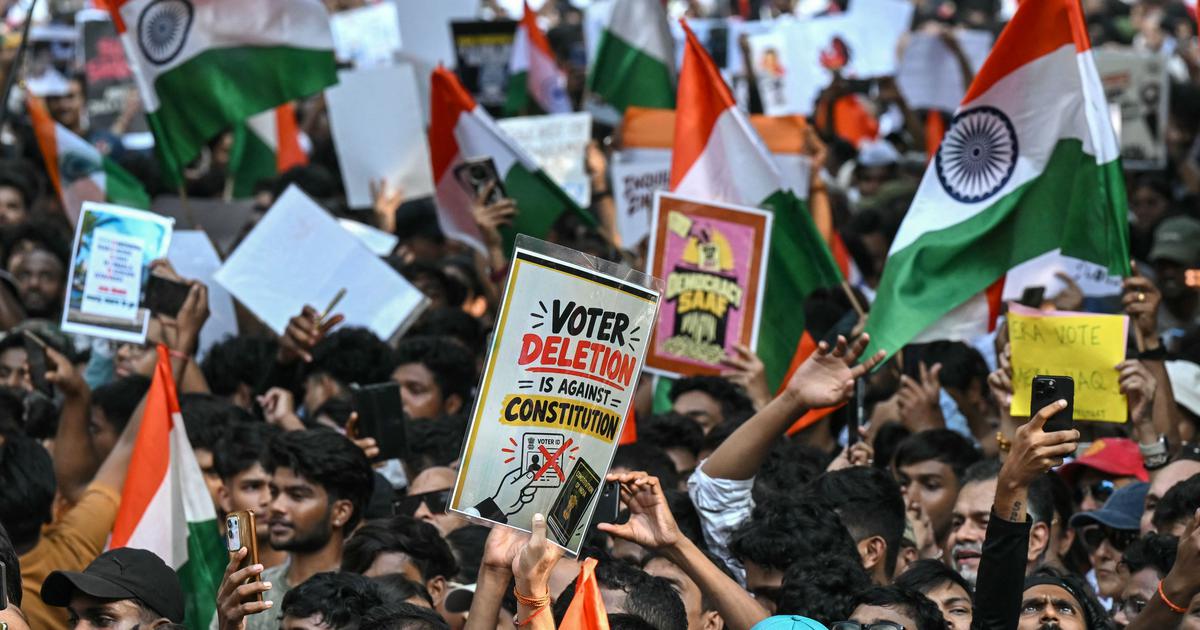
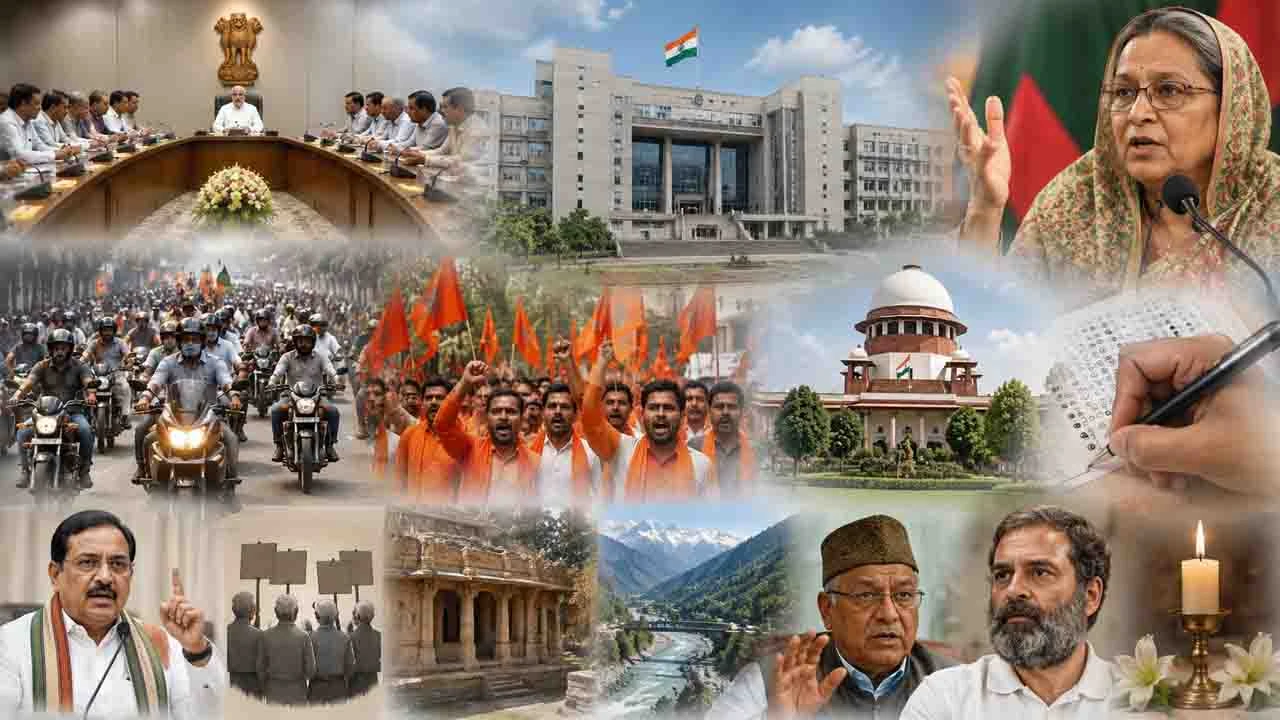
The victory of the Bharatiya Janata Party in the elections in West Bengal came as a surprise to many. The party’s campaign had foregrounded issues of Hindu identity, demographic anxieties stemming from a claimed rise in the population of infiltrators and harped on the politics of Partition. It was thought that this would have limited appeal in a state long perceived to be associated with secular politics.
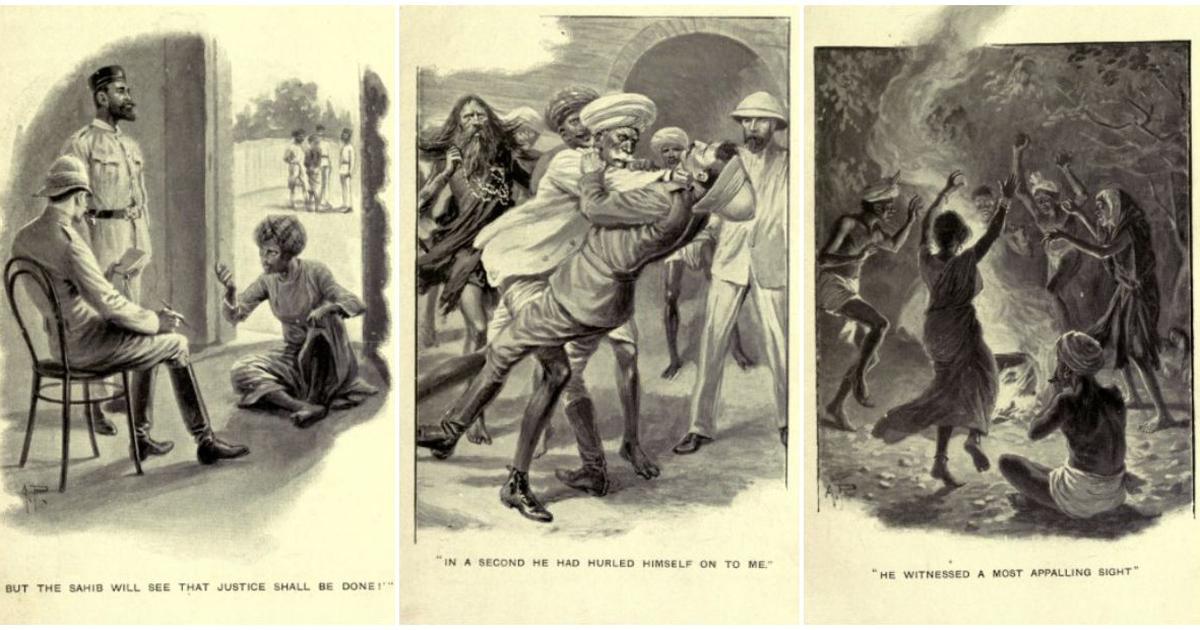
However, a peek into Bengal’s colonial history makes it obvious that the state was no stranger to communal politics. During the 1930s and ’40s, Hindu nationalist ideas shaped the political discourse of the Bhadralok upper-middle classes and political parties harped on contentious, religion-based issues in their political campaigns.
The Hindu identity in Bengal emerged in the early part of the 20th century as a counter to an increasing religious consciousness among Bengali Muslims. In his book Communal Riots in Bengal 1905-1947, historian Suranjan Das underscores the role of overzealous religious preachers in the Bengal countryside and ulema in the cities, who sought to purge Islam of all the Hindu rituals and practices.
Bengali Hindus responded to these changes in Muslim society by forging a common Hindu identity, spurred by the growth of Hindu religious organisations and voluntary associations. They were inspired...
Read more
What's Your Reaction?
 Like
0
Like
0
 Dislike
0
Dislike
0
 Love
0
Love
0
 Funny
0
Funny
0
 Angry
0
Angry
0
 Sad
0
Sad
0
 Wow
0
Wow
0








![Cruise 2 Ton 3 Star Inverter Split AC – Now Only ₹38,490 [MRP: ₹64,900] on Amazon!](https://savefree.in/uploads/images/202607/image_870x580_6a6870eb6880c.webp?#)