















![LG SmartChoice UltraGear Professional Gaming Monitor with 180Hz IPS Display at ₹10,499 [MRP: ₹20,000]](https://savefree.in/uploads/images/202607/image_870x580_6a64724a9e8f5.webp?#)


![TRIGGR Trinity Neo Wireless Bluetooth Headset with 80 Hours Battery, ENC Noise Cancellation & Deep Bass at ₹799 [MRP: ₹3,999]](https://savefree.in/uploads/images/202607/image_870x580_6a64578ecaad9.webp?#)

As Bangladesh approves Padma Barrage, India must confront failure of its Neighbourhood First policy
Join our WhatsApp Community to receive travel deals, free stays, and special offers!
- Join Now -
Join our WhatsApp Community to receive travel deals, free stays, and special offers!
- Join Now -

Bangladesh took note in April last year when India suspended the Indus Waters Treaty with Pakistan after the Pahalgam terror attack.
By setting aside a landmark six-decade-old water-sharing agreement that had survived wars and repeated crises, New Delhi sent a clear message across South Asia: treaties are not eternal.
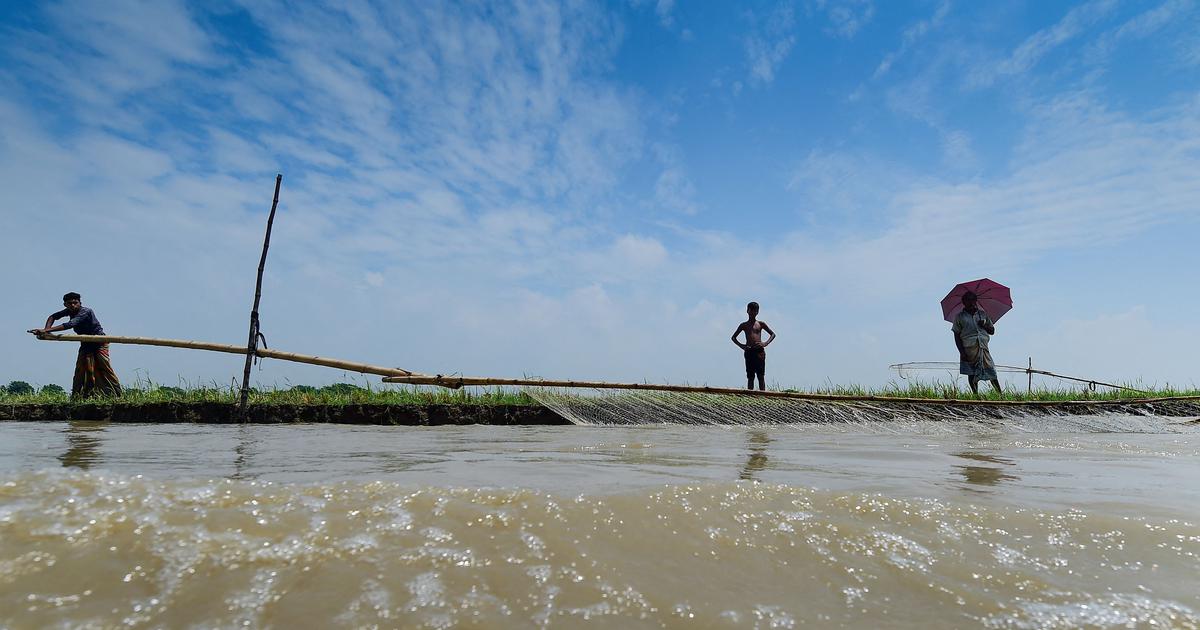
Last week, Bangladeshi Prime Minister Tarique Rahman’s government approved the Padma Barrage, a $2.8 billion project in Rajbari district.
The proposed 2.1-km dam on the Padma river – as the Ganga is known when it crosses the border – aims to store nearly 2,900 million cubic metres of monsoon water for redistribution during the dry season across Bangladesh’s salinity-hit southwest region.
Officials say it could irrigate 2.88 million hectares of land, revive dying rivers and add around 0.45% to the country’s gross domestic product.
The decision comes as the 1996 Ganga Water Sharing Treaty approaches expiry in December 2026. Hailed at the time as a “new dawn” after decades of bitter disputes, the treaty was signed on December 12, 1996, by Indian Prime Minister HD Deve Gowda and Bangladeshi Prime Minister Sheikh Hasina.
The treaty established a 30-year framework for dividing the river’s dry-season flows at the Farakka Barrage, allocating water between the two countries across fifteen 10-day cycles each year from January...
Read more
What's Your Reaction?
 Like
0
Like
0
 Dislike
0
Dislike
0
 Love
0
Love
0
 Funny
0
Funny
0
 Angry
0
Angry
0
 Sad
0
Sad
0
 Wow
0
Wow
0