































![Premium Kitchen Upgrade: Hamilton Beach 1400W Juicer Mixer Grinder – Just ₹21,990 [MRP: ₹34,810]– Only on Flipkart!](https://savefree.in/uploads/images/202607/image_870x580_6a68982a0af5f.webp?#)


![Upgrade Your Home: TCL 32-Inch V4C Series HD Ready Smart QLED Google TV at Just ₹16,490 [MRP: ₹20,490]](https://savefree.in/uploads/images/202607/image_870x580_6a68a2aba2b0c.webp?#)

Air pollution can increase risk of motor neurone diseases, worsen outcomes
Join our WhatsApp Community to receive travel deals, free stays, and special offers!
- Join Now -
Join our WhatsApp Community to receive travel deals, free stays, and special offers!
- Join Now -

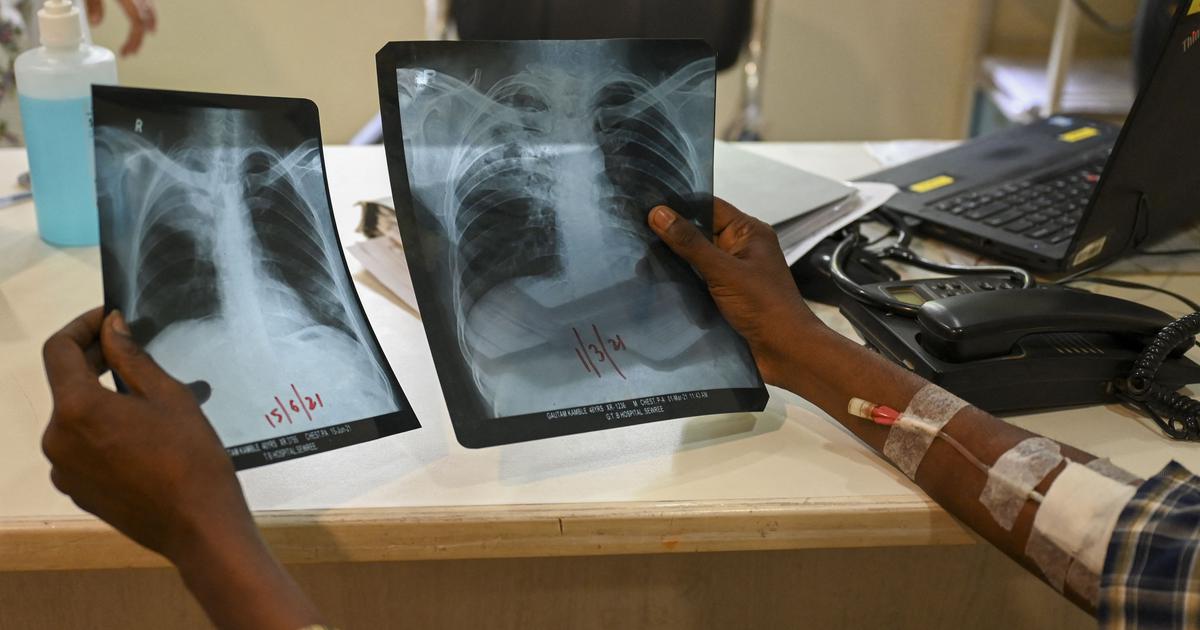
The scientist Stephen Hawking lived with amyotrophic lateral sclerosis (ALS), the most common type of motor neurone disease, for 55 years. He was one of the longest-surviving people with the condition.
However, most people with motor neurone disease are not as lucky. It often progresses quickly, and many pass away within two to five years of diagnosis. There is still no cure. Genetics account for only about 10% of cases, and the rest of the causes are still largely a mystery.
A new study in the journal Jama Neurology showed one possible contributor: air pollution, both for the risk of developing motor neurone disease and for how it progresses.
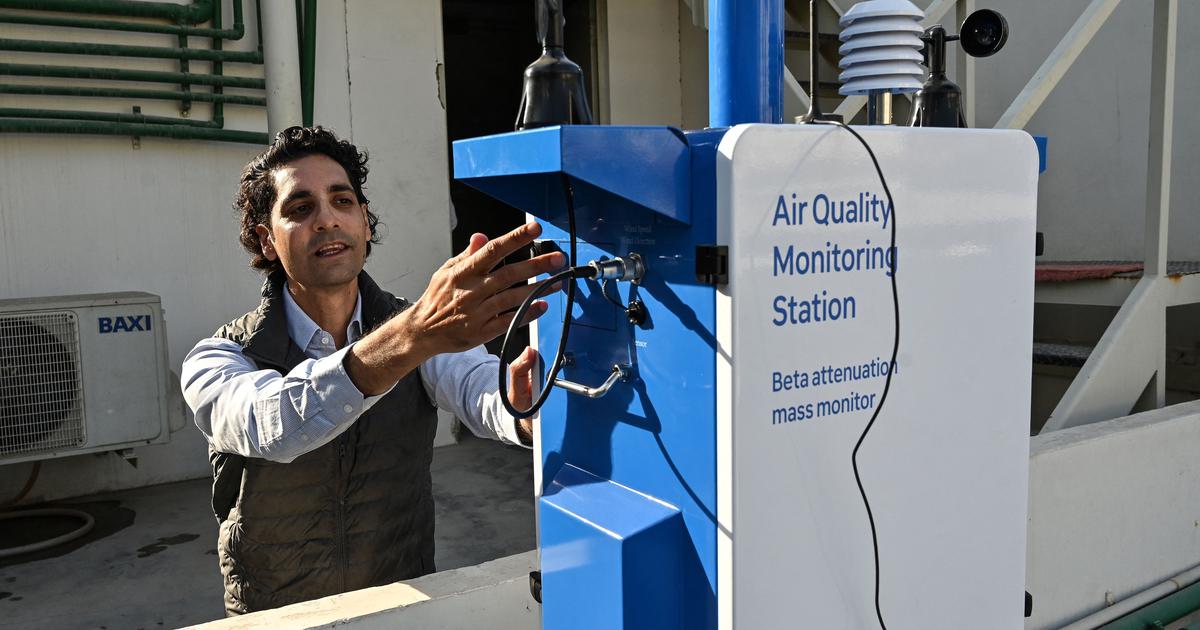
In the study, my colleagues and I examined air pollution levels at each of the 10,000 participant’s home address for up to ten years before diagnosis. We focused on two common types of outdoor pollutants that are widely linked to health harms: nitrogen dioxide and particulate matter.
Particulate matter is made up of tiny airborne particles (far thinner than a human hair). It is usually grouped by size: PM2.5 (less than or equal to 2.5 micrometres), PM10 (less than or equal to 10 micrometres), and the in-between fraction PM2.5-10 (between 2.5 and 10 micrometres).
We found that being exposed to air pollution over the long term, even at the fairly low...
Read more
What's Your Reaction?
 Like
0
Like
0
 Dislike
0
Dislike
0
 Love
0
Love
0
 Funny
0
Funny
0
 Angry
0
Angry
0
 Sad
0
Sad
0
 Wow
0
Wow
0