





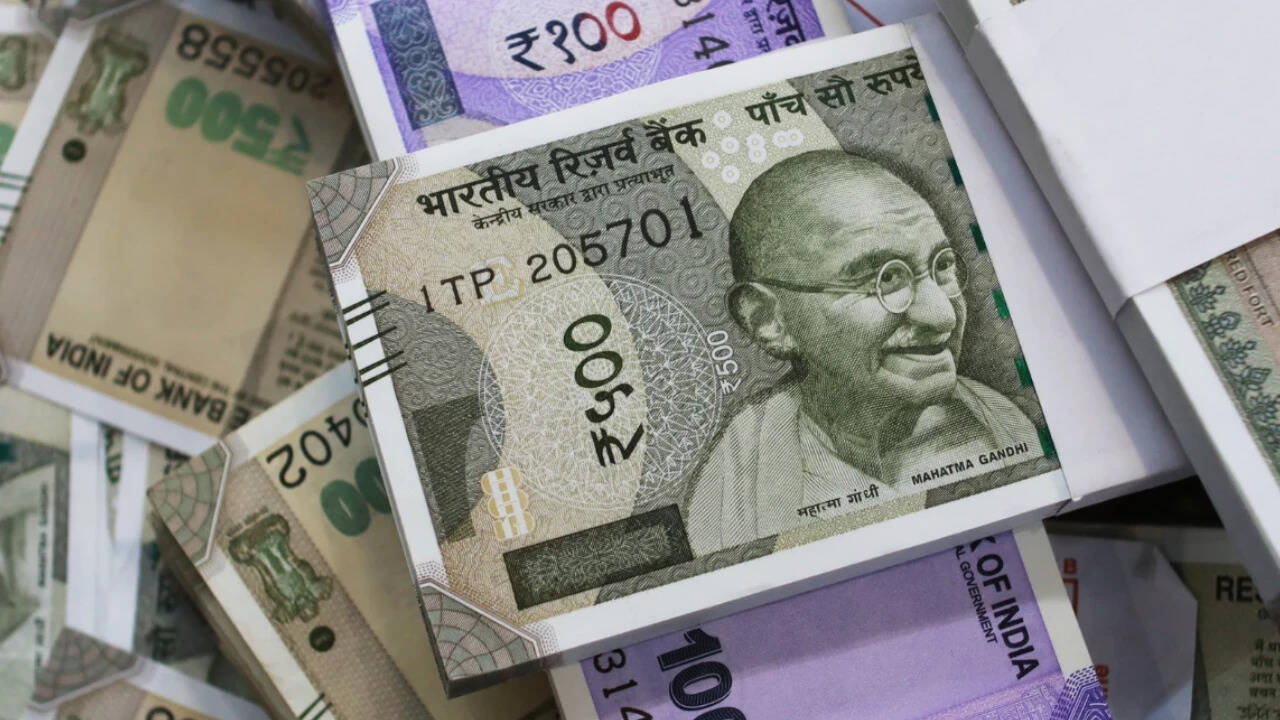



















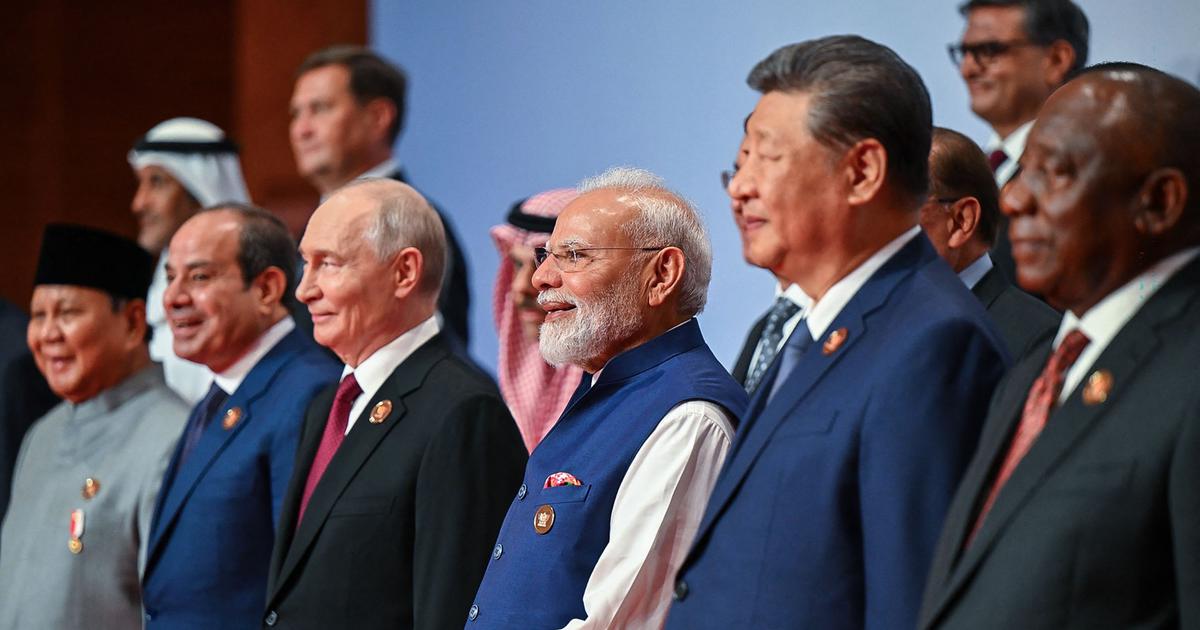
A new book traces the evolution of India’s ambition to become a centre of geopolitical power
Join our WhatsApp Community to receive travel deals, free stays, and special offers!
- Join Now -
Join our WhatsApp Community to receive travel deals, free stays, and special offers!
- Join Now -

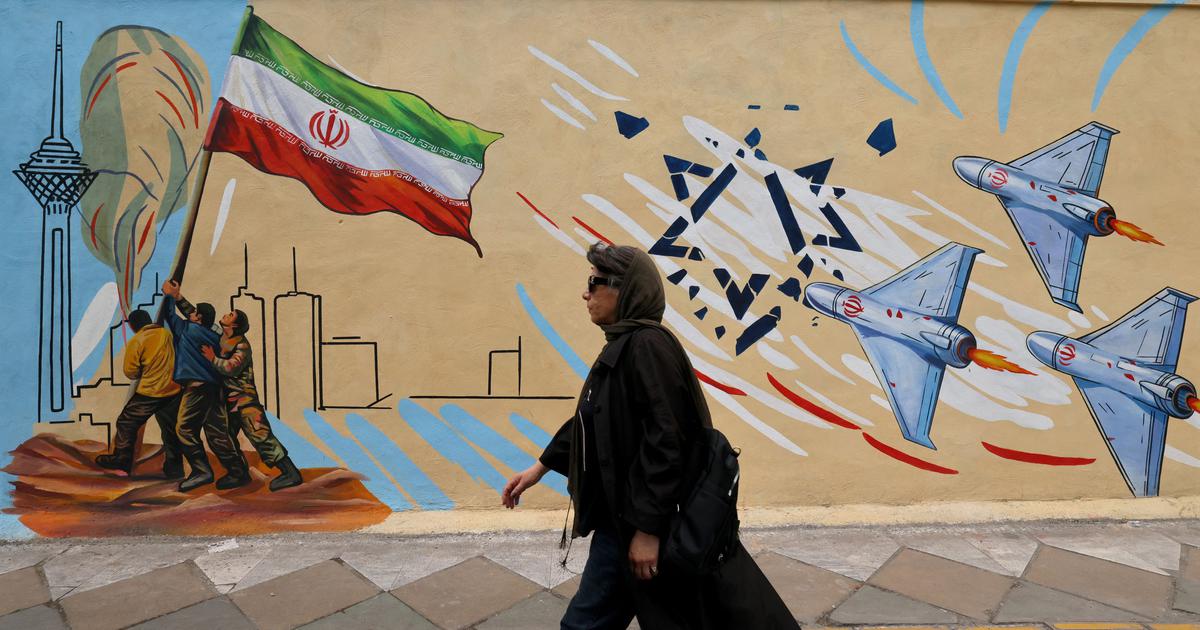
A dominant strain of Indian strategic thought is anchored in a sense of civilisational greatness, powered by a collective memory of colonial subjugation, racism and systemic exclusion. This narrative overlaps several political timelines. During the freedom struggle, it was about emerging from colonial rule as a great power. But for the Hindu nationalists, it was also about shedding the shame of all past invasions into India, particularly by Muslim Mughals, and about Hindu pride. During the Cold War, it was about economic and political discrimination and nuclear “apartheid”, among others. In the post-Cold War world, it was about non-interference, US sanctions and the ills of American unipolarity.
For much of its post-Independence history, Indian behaviour expressed a siege mindset, born of persistent strategic anxieties that left its leaders little room to effectively articulate the country’s rightful place in the world. This sense of vulnerability and insecurity was a constant in the Indian strategic imagination. The sense of anxiety in the Indian political culture was felt across party divides. However, since the turn of the millennium, the “postcolonial insignificance” and external‘disciplinary pressures’ that once constrained New Delhi have dramatically diminished. Emerging from the fringes of global politics, India now views the current systemic...
Read more
What's Your Reaction?
 Like
0
Like
0
 Dislike
0
Dislike
0
 Love
0
Love
0
 Funny
0
Funny
0
 Angry
0
Angry
0
 Sad
0
Sad
0
 Wow
0
Wow
0