






































A new book suggests nitrogen, essential to agriculture, has created a pollution crisis in India
Join our WhatsApp Community to receive travel deals, free stays, and special offers!
- Join Now -
Join our WhatsApp Community to receive travel deals, free stays, and special offers!
- Join Now -

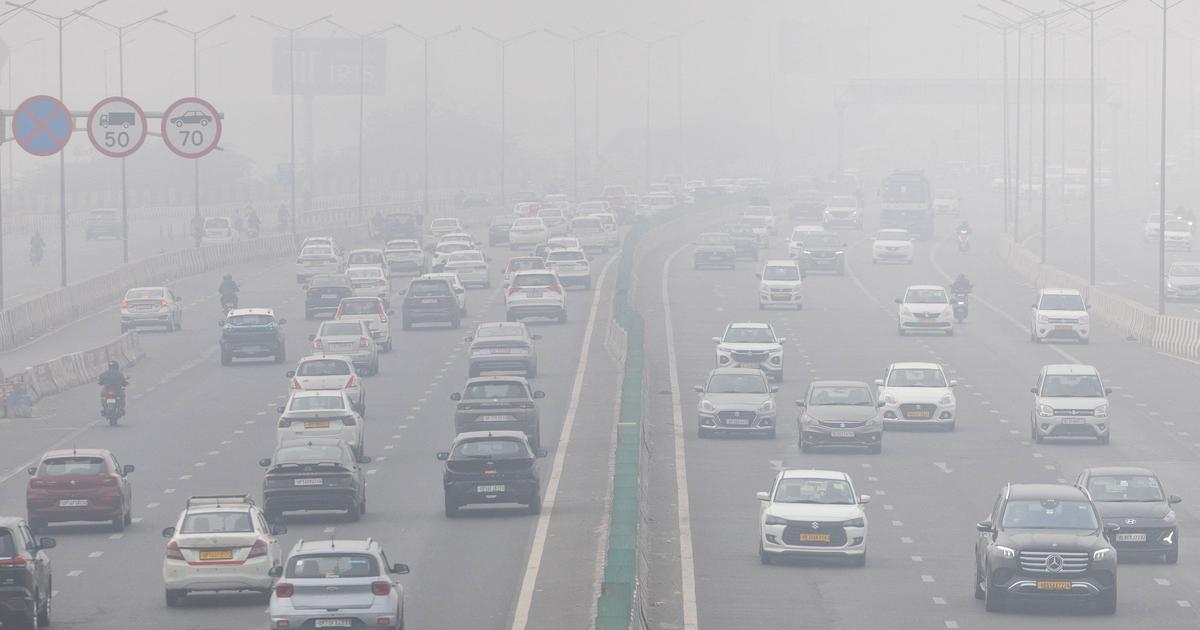
The Indo-Gangetic Plain (IGP) stretches across northern India in a 2500-kilometre arc from Pakistan to Bangladesh and is home to nearly half a billion people. It is one of the most intensively farmed landscapes on earth, and by every atmospheric measure, one of the most chemically burdened places that has been peopled for millennia. What Odén mapped in Scandinavia – nitrogen from farms, nitrogen oxides from engines, ammonia reacting with acids to produce particles that choke lungs and kill quietly—is happening here, now, on a scale and at a speed that would make Europe’s post-war industrial peak antediluvian.
In 2025, I reported on a study by the Centre for Research on Energy and Clean Air, a think tank, that said secondary pollutants, particularly ammonium sulphate that forms when sulphur dioxide from coal plants meets ammonia from fertilised fields, were responsible for nearly one-third of India’s PM2.5 pollution burden.
I remember writing then, trying to explain to readers who, like me, had been led to believe that Delhi’s winters were a problem of primary pollutants from stubble fires and diesel exhaust: “Primary pollutants are those that result from the burning of fossil fuels from automobiles, coal plants and organic matter.” The distinction matters because it...
Read more
What's Your Reaction?
 Like
0
 Dislike
0
 Love
0
 Funny
0
 Angry
0
 Sad
0
 Wow
0