

















![Create Professional Videos & Attend Meetings in Full HD with Logitech C920 Webcam at Just ₹8,995 [MRP: ₹10,295]](https://savefree.in/uploads/images/202607/image_870x580_6a549de4dbd93.webp?#)

![Godrej 600L Premium Side-by-Side Refrigerator at ₹69,990 [MRP: ₹1,18,490]](https://savefree.in/uploads/images/202607/image_870x580_6a54a25e35535.webp?#)

Why museums are mushrooming across China
Join our WhatsApp Community to receive travel deals, free stays, and special offers!
- Join Now -
Join our WhatsApp Community to receive travel deals, free stays, and special offers!
- Join Now -

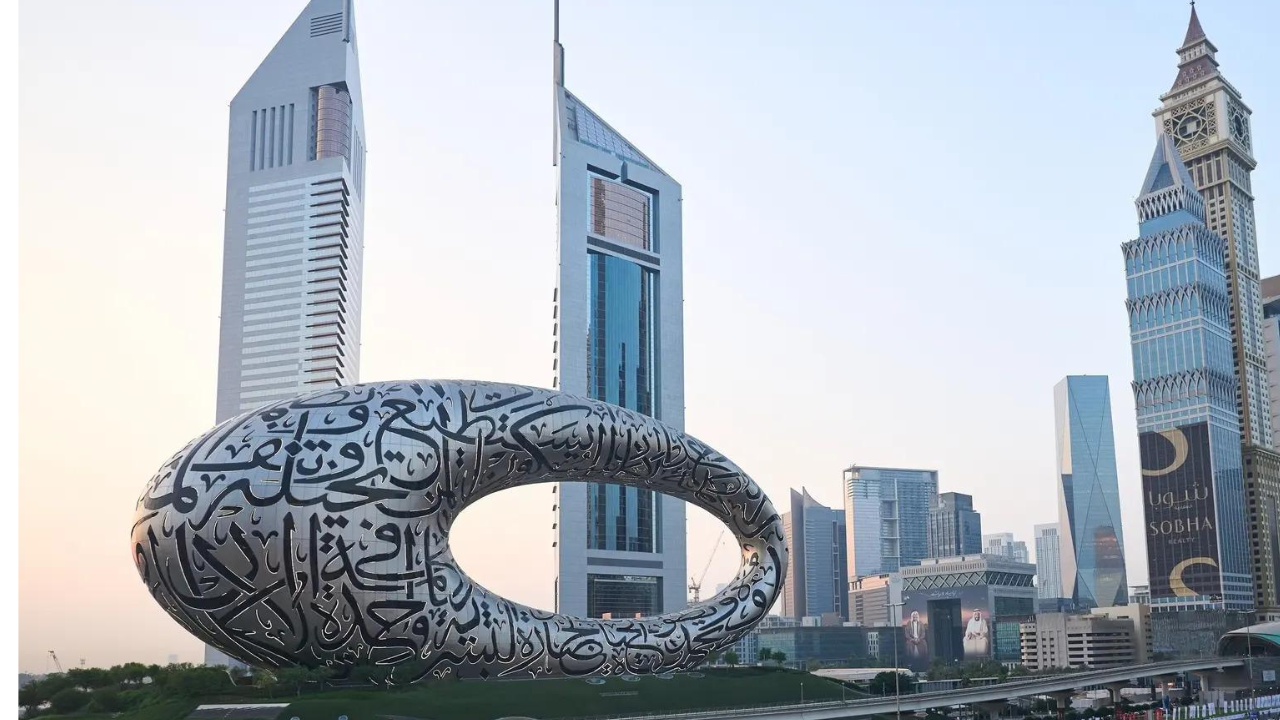
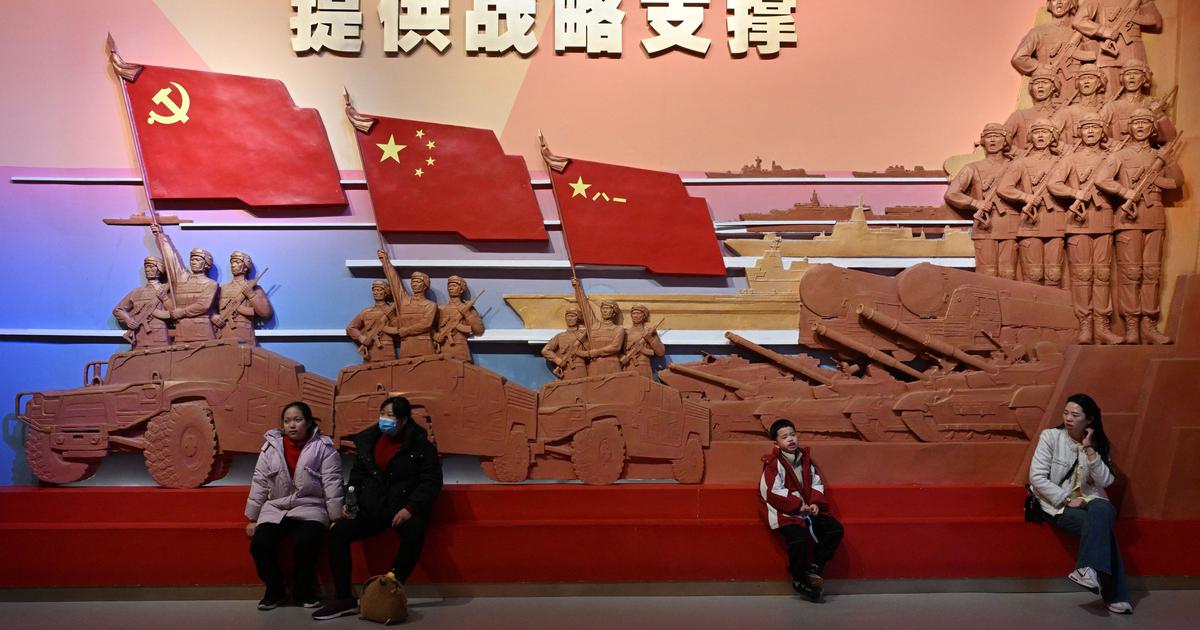
From state-backed mega museums to privately-funded contemporary art spaces, the expansion of China’s galleries, libraries, archives and museums – or “GLAM” – sector is reshaping how the nation narrates its past and imagines its future.
China’s museum sector has expanded at an unmatched pace this century. From 2010 to 2024, a new museum has opened, on average, every 1.5 days. There were 382 new museums registered in 2022 alone – and a total of 6,833 registered towards the end of 2024.
None of this is a coincidence. China’s museum boom reflects a coordinated national strategy that links heritage, urban development, the creative industries and soft power.
The broader GLAM sector has expanded in parallel, with significant government investment in public libraries, archival digitisation projects and large cultural precincts. Museums, however, remain the most visible symbol of this transformation.
Scarcity to saturation
China is reported to have had only around 25 museums when the Communist Party gained power in 1949. For several decades, museums would remain relatively limited in number and scope – and would be strictly controlled by the Chinese Communist Party. These were didactic spaces shaped by strict ideological parameters.
In May 1942, CCP Chairman Mao Zedong chaired a three-week forum where he argued there is no art detached from, or independent of politics. Cultural policies thereafter retained revolutionary aims under the CCP. Dedicated “work units” managed all artistic creation up until the end of the Cultural Revolution (and Mao...
Read more
What's Your Reaction?
 Like
0
Like
0
 Dislike
0
Dislike
0
 Love
0
Love
0
 Funny
0
Funny
0
 Angry
0
Angry
0
 Sad
0
Sad
0
 Wow
0
Wow
0