





































What is fascism in the present? Two recent books attempt to diagnose these conditions
Join our WhatsApp Community to receive travel deals, free stays, and special offers!
- Join Now -
Join our WhatsApp Community to receive travel deals, free stays, and special offers!
- Join Now -

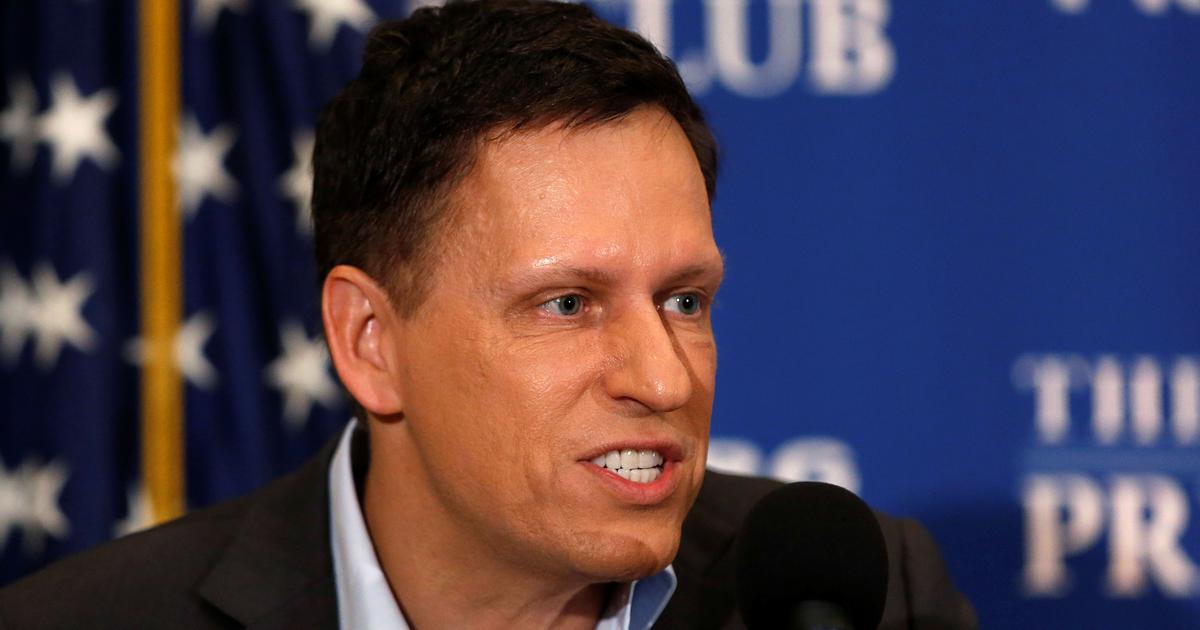
“A moment of reckoning has arrived for the West,” reads a recent recruitment ad for Palantir, a Silicon Valley firm that increasingly provides data-driven “intelligence” for intelligence, police and military agencies – as well as blue-chip corporations and non-profits. “On the factory floor, in the operating room, across the battlefield,” the ad intones, “we build to dominate.”
How do we make sense of this convergence between advanced technologies and unapologetic violence, between “rational” AI and a primordial view of the world that seems to revert to a language of blood and soil, friends and enemies, “us” and “them”? In op-eds, talk shows, and political analyses, a single word has risen to prominence: fascism.
As a term, “fascism” is highly provocative, but seemingly untimely. It conjures up powerful images of jackbooted throngs of followers repeating chants and salutes, visions of black-lettered and blood-red banners. Yet these images are typically associated with political orders from a century ago in interwar Europe, a dusty relic from a previous age where “evil” was identified and annihilated.
So what is fascism in the present? How can it help explain contemporary technological, social and political dynamics? Two recent books attempt to diagnose these conditions: End Times Fascism And the Fight for the Living World by writer Naomi...
Read more
What's Your Reaction?
 Like
0
Like
0
 Dislike
0
Dislike
0
 Love
0
Love
0
 Funny
0
Funny
0
 Angry
0
Angry
0
 Sad
0
Sad
0
 Wow
0
Wow
0