
































Waste collectors do crucial work but need safety, pay. NGOs are trying to bridge the gap
Join our WhatsApp Community to receive travel deals, free stays, and special offers!
- Join Now -
Join our WhatsApp Community to receive travel deals, free stays, and special offers!
- Join Now -

Shambhu Yadav travelled far from his home in Meerut, Uttar Pradesh, to Pune, Maharashtra, in search of work. With no formal training to speak of, he was left with an option that employs millions of the country’s population: waste collection.
Yadav works for a kabadiwala – an informal scrap dealer – collecting all kinds of trash which is segregated and ultimately sold to bigger dealers. Even though he earns just Rs 100-Rs 500 a day, Yadav is part of a lucrative industry valued at approximately Rs 1.3 trillion.
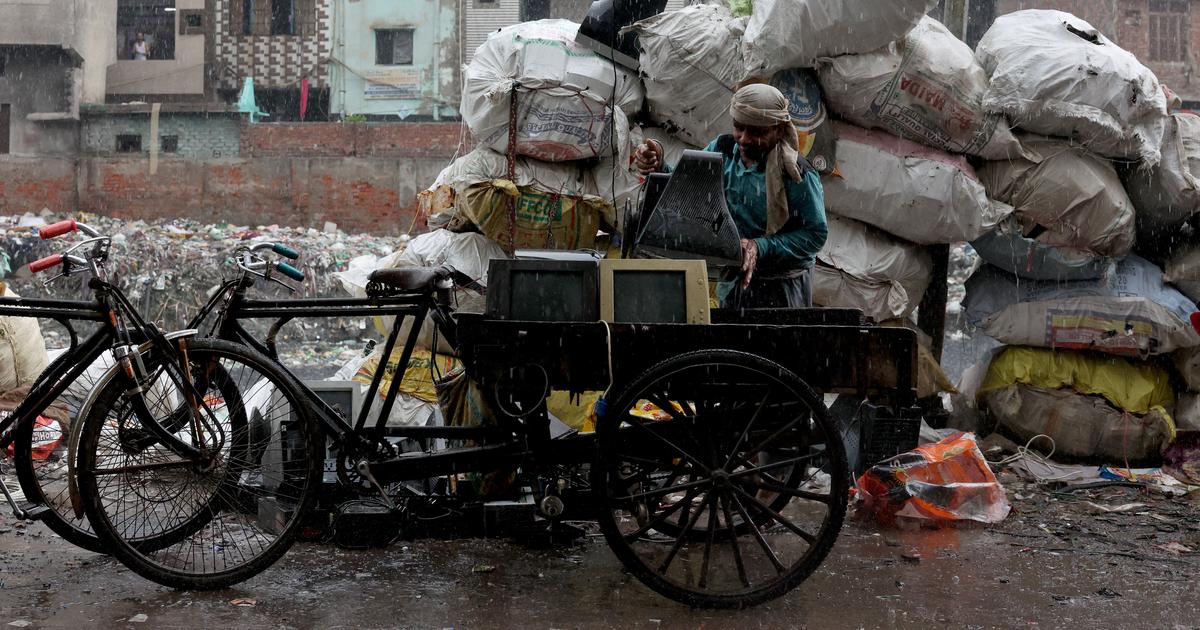
Since the early 2000s, electronic waste has entered the very same stream in hordes – landing in the laps of informal waste collectors who dismantle devices at grave personal risk.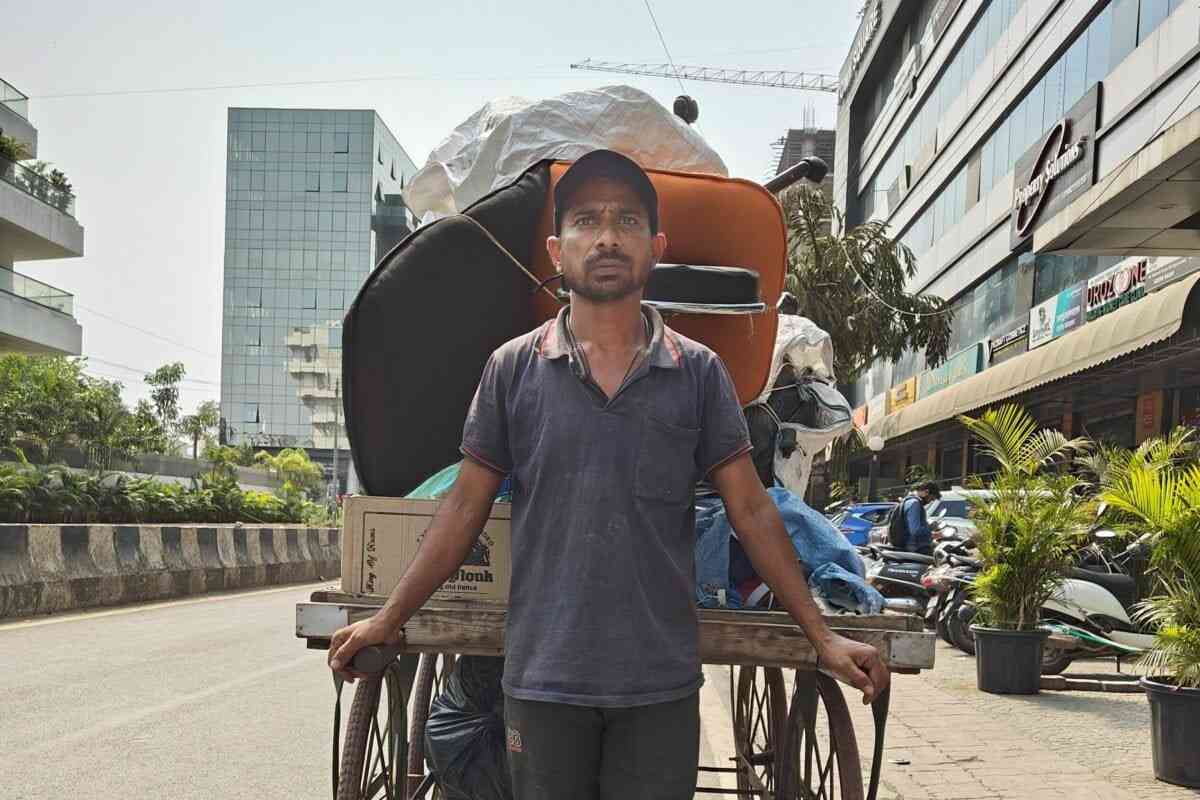
Around 845 km away from where Yadav is, in Padarayanpura in Bengaluru, Karnataka, another waste collector Sharvan, held up copper shards he had manually stripped from discarded wires. “This is like gold to us. The copper sells for Rs 1,000- Rs 1,200 per kilogram,” he said.
Despite playing an outsized role in India’s waste management, workers like Yadav and Sharvan lie outside the country’s formal recycling governance framework. A big reason why e-waste collection and processing stays with the informal sector is because formal facilities lack the capacity to process the sheer volume...
Read more
What's Your Reaction?
 Like
0
Like
0
 Dislike
0
Dislike
0
 Love
0
Love
0
 Funny
0
Funny
0
 Angry
0
Angry
0
 Sad
0
Sad
0
 Wow
0
Wow
0