





























This book asks if unemployment often translates to cynicism and desire for strong-armed leadership

Join our WhatsApp Community to receive travel deals, free stays, and special offers!
- Join Now -
Join our WhatsApp Community to receive travel deals, free stays, and special offers!
- Join Now -

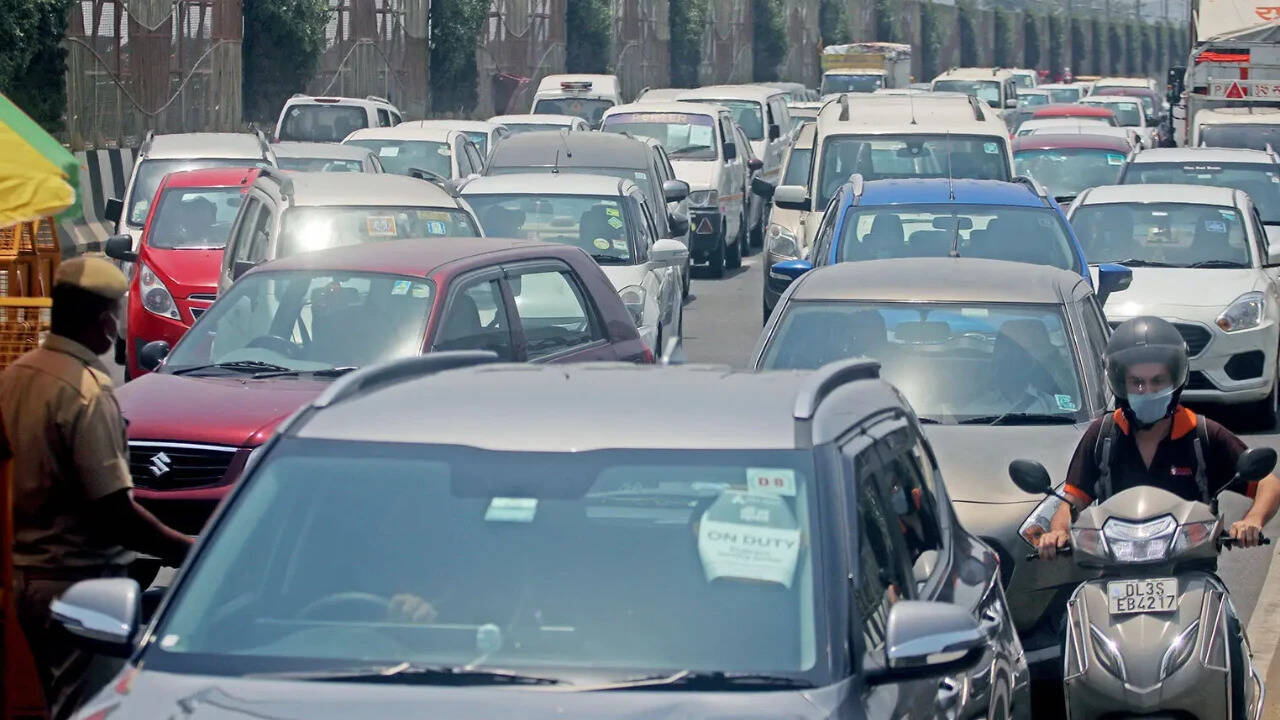
The dangerous work environment of Indian workers is symptomatic of the global decline of organised labour and the corresponding rise of what’s now widely called the “precariat”. India’s new slavery is an egregious version of this trend. A global class of labour that lives perpetually in economic uncertainty and moves in and out of jobs that give little meaning to their lives, the precariat are characterised by volatile earnings, chronic debt, and a lack of non-wage and rights-based state benefits.
In the global hierarchy of labour, they come below the traditional working class, for whom welfare states were built and trade unions acted. In India, where welfare provisions are poor and more than 90% of workers are in the informal sector, the social foundations of working life have historically been degraded. The shrinking space for unionisation has further degraded social life and working conditions. Like elsewhere, the power of organised industrial workers, among the most potent modern agents of social dignity and democratisation, has been systematically eroded in India.
During the post-1945 years, in advanced West European economies, trade unionism helped narrow pay gaps. The power of organised labour in India may have had the same effect, but since the mid-1970s, trade...
Read more
What's Your Reaction?
 Like
0
Like
0
 Dislike
0
Dislike
0
 Love
0
Love
0
 Funny
0
Funny
0
 Angry
0
Angry
0
 Sad
0
Sad
0
 Wow
0
Wow
0







![Cruise 2 Ton 3 Star Inverter Split AC – Now Only ₹38,490 [MRP: ₹64,900] on Amazon!](https://savefree.in/uploads/images/202607/image_870x580_6a6870eb6880c.webp?#)