
























The bid to improve safety in public parks cannot involve keeping the public out
Join our WhatsApp Community to receive travel deals, free stays, and special offers!
- Join Now -
Join our WhatsApp Community to receive travel deals, free stays, and special offers!
- Join Now -

On Monday, a 17-year-old was allegedly gang raped in a public park in Delhi by three men claiming to be from the police. Her 17-year-old male friend was beaten. The three men are reported to have told the friends that they faced potential legal trouble, separated them and then sexually assaulted the girl.
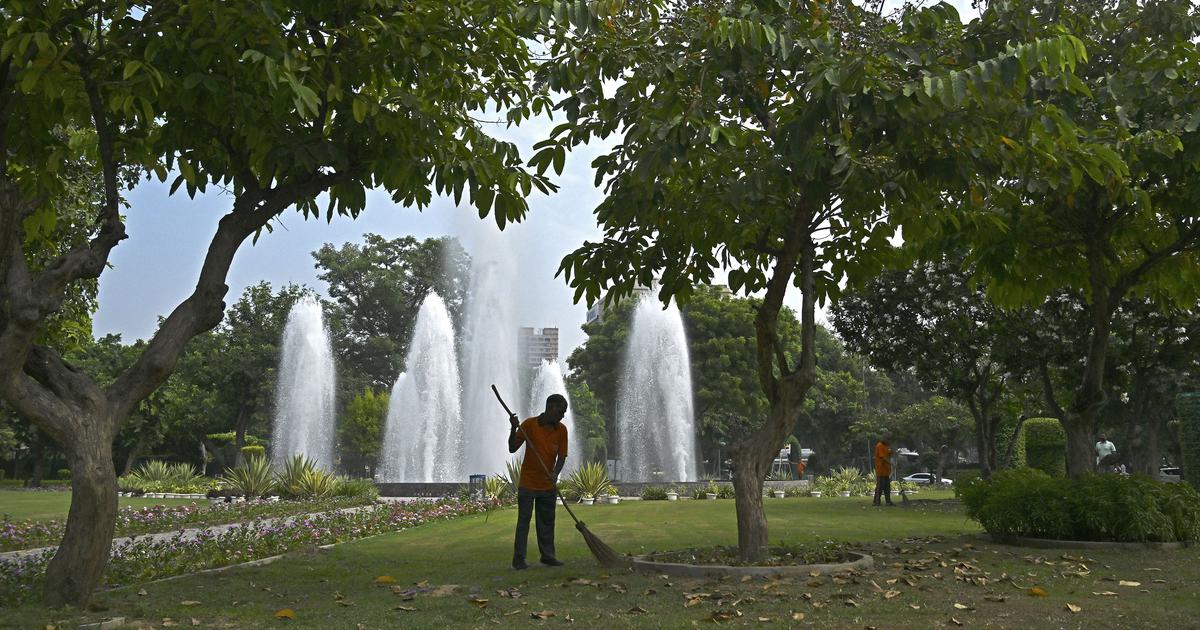
As the attack sparked concerns about safety in public parks in the national capital, the Delhi Development Authority said it would restrict entry to these spaces after sunset, install security cameras at the gates and increase surveillance by the police and security guards.
It added that it would conduct a safety audit of the 600 parks that it manages.
To some, this sounds reasonable. If the safety audit finds that a particular park cannot be kept secure after dark, restricting access could be an acceptable temporary solution.
But if a public space is deemed to be unsafe, is the way to make it safer actually to keep the public out?
Cities such as Delhi already suffer from a paucity of accessible open spaces, where young people can meet their friends, couples can spend time together and residents can walk, exercise, play a sport – or simply just sit and stare.
Such “third spaces” are especially necessary in India, where many homes do...
Read more
What's Your Reaction?
 Like
0
Like
0
 Dislike
0
Dislike
0
 Love
0
Love
0
 Funny
0
Funny
0
 Angry
0
Angry
0
 Sad
0
Sad
0
 Wow
0
Wow
0