








































Singapore is culling ‘pest’ birds but their population keeps growing
Join our WhatsApp Community to receive travel deals, free stays, and special offers!
- Join Now -
Join our WhatsApp Community to receive travel deals, free stays, and special offers!
- Join Now -

On a Friday afternoon in July, a pest control officer patrols the grounds of Sungei Tengah Lodge, Singapore’s largest dormitory for migrant construction workers, picking up birds in various stages of distress. Some are twitching, others are wobbling, as if drunk.
The officer tosses the birds, which he had poisoned with baited scraps a few hours earlier, into a garbage bag. Most of them are still alive. The bagged birds will later be gassed using carbon dioxide, a culling method for “pest” birds the authorities say is “humane” – a claim contested by animal welfare groups.
Though culling may immediately trim the local population, ecologists question the long-term effectiveness of efforts to reduce urban birds, arguing that Singapore’s rapid urbanisation creates favorable conditions for them to thrive, as forests are lost to high-rise buildings.
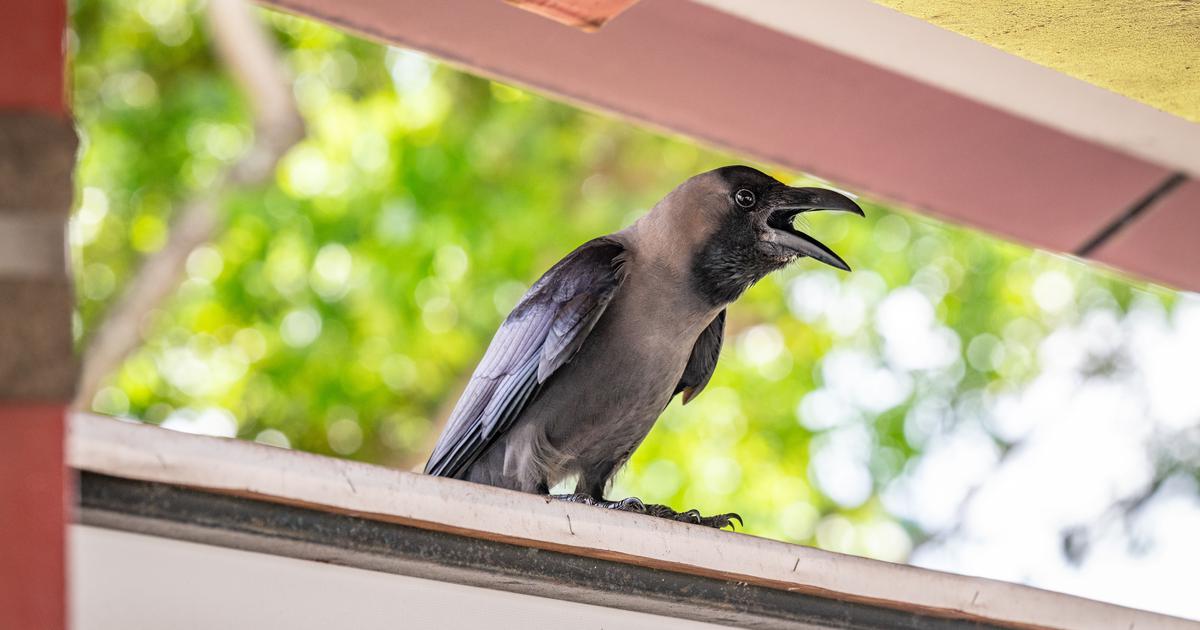
Birds considered pests in the tropical metropolis are the common pigeon (Columba livia), Javan myna (Acridotheres javanicus) and house crows (Corvus splendens), which are not protected under the Wildlife Act and routinely culled in response to complaints from the public.
Known as “nuisance” birds, they’re framed as invasive species that are noisy and a threat to public health and local biodiversity by competing with and, in the case of crows, preying on native birds.
Crows, in particular, have found themselves in the crosshairs of...
Read more
What's Your Reaction?
 Like
0
Like
0
 Dislike
0
Dislike
0
 Love
0
Love
0
 Funny
0
Funny
0
 Angry
0
Angry
0
 Sad
0
Sad
0
 Wow
0
Wow
0