

















Roadblocks to democracy: What’s really at stake when the state restricts transport services?
Join our WhatsApp Community to receive travel deals, free stays, and special offers!
- Join Now -
Join our WhatsApp Community to receive travel deals, free stays, and special offers!
- Join Now -

For decades, blocking transport has been among the most recognisable tactics of protest politics in India.
Farmers frequently block highways, unions organise chakka jams, and rail roko agitations have a history stretching back to the freedom movement. The logic is straightforward: disrupting everyday circulation makes a political claim harder to ignore. But the inconvenience caused to ordinary travellers is precisely why such tactics have also attracted criticism.
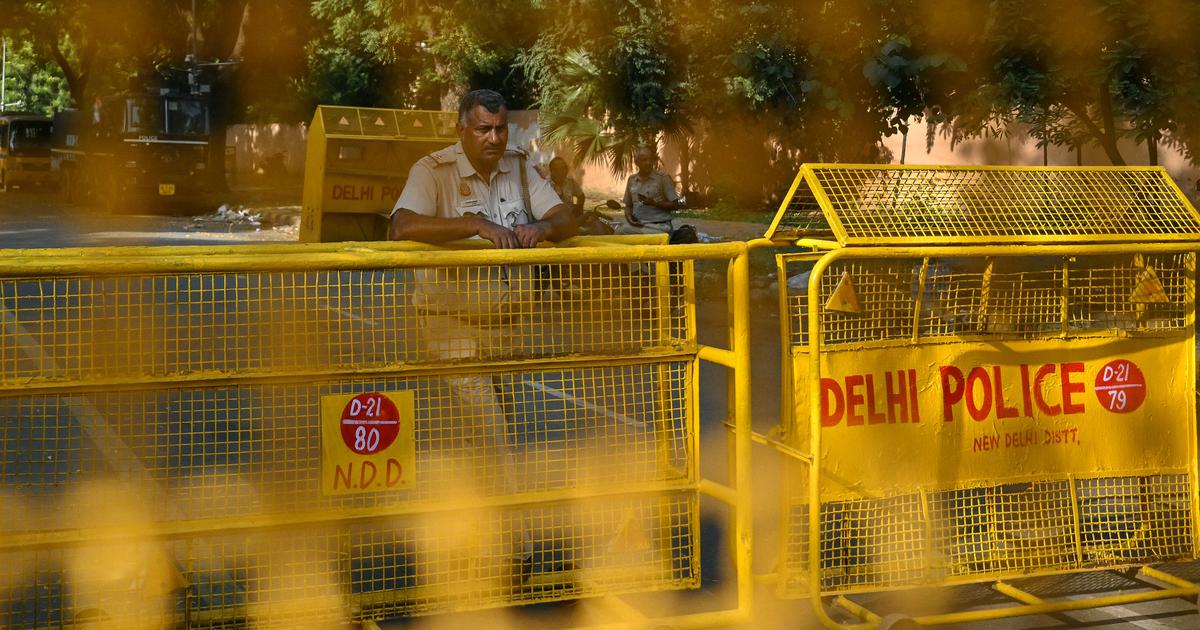
The state, of course, has also restricted movement during protests for a long time. Roads have been barricaded, protest sites cordoned off, and access to cities curtailed in the name of public order. During the 2020-’21 farmers’ protests, Delhi’s borders were fortified by digging ditches, erecting concrete barriers, rolling out razor wire and even installing iron nails into roads.
The farmers were allowed to protest at the Tikri, Singhu, and Ghazipur borders, but their movement toward the institutions in the centre of the capital was constrained.
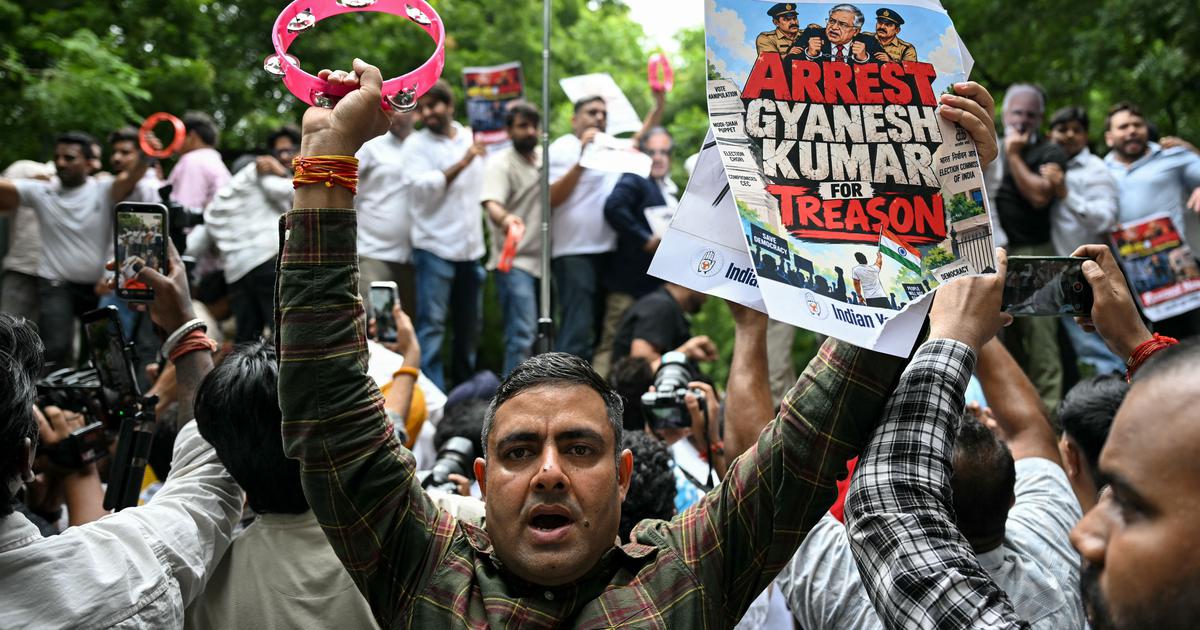
October 10 therefore is not the state has deployed mobility restrictions. What is striking, though, is their sheer scale. Restrictions have been applied simultaneously across the roads, long-distance rail, local buses and the Delhi Metro as protestors plan to gather in the capital to demand the resignation of Chief Election Commissioner Gyanesh Kumar for the manner in which the special intensive revision of the electoral rolls has...
Read more
What's Your Reaction?
 Like
0
Like
0
 Dislike
0
Dislike
0
 Love
0
Love
0
 Funny
0
Funny
0
 Angry
0
Angry
0
 Sad
0
Sad
0
 Wow
0
Wow
0