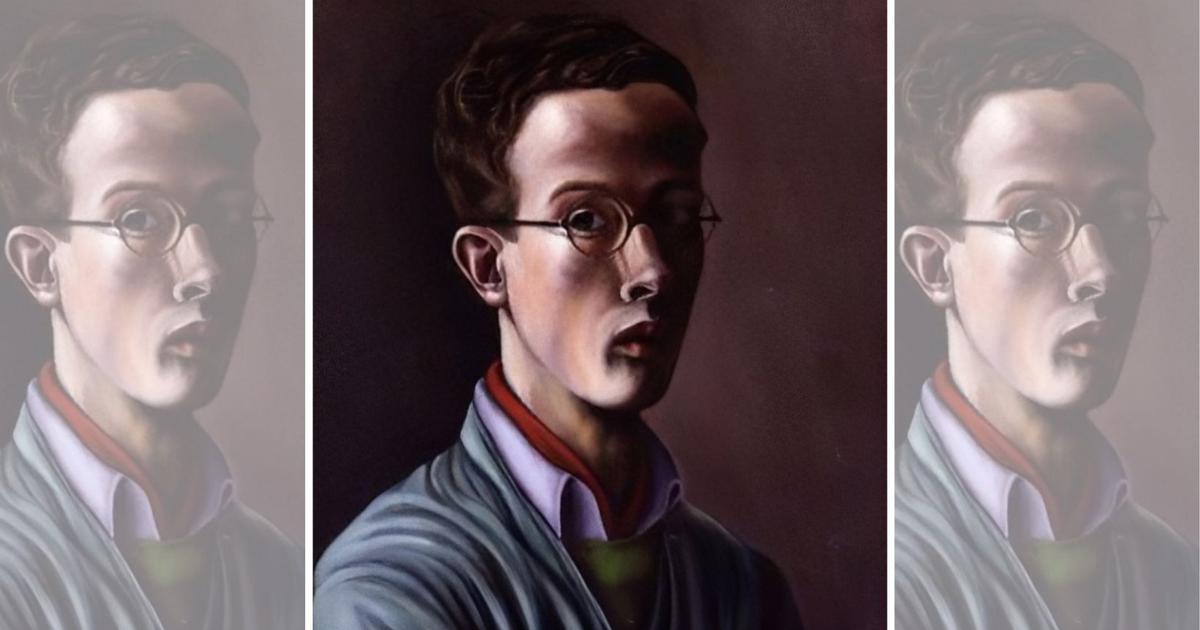































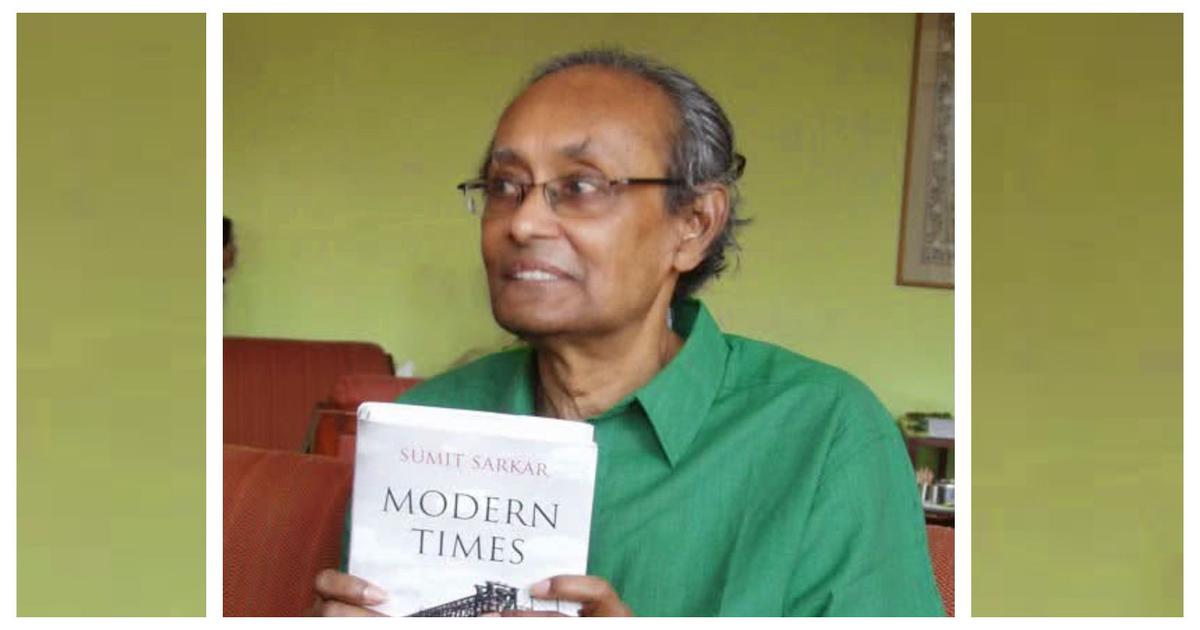
Ramachandra Guha: Historian Sumit Sarkar took his scholarship beyond the confines of the academy
Join our WhatsApp Community to receive travel deals, free stays, and special offers!
- Join Now -
Join our WhatsApp Community to receive travel deals, free stays, and special offers!
- Join Now -

In a late essay reflecting on his intellectual journey over the decades, Sumit Sarkar remarked: “So far, we Indian historians have written the histories that we wanted to write, following no agenda but our own. That seems to be a fast-vanishing luxury.”
In a long and very productive life, Sarkar – who was born in Calcutta in 1939 and died in Delhi earlier this month – had to confront three historical agendas imposed by others. The first was a dogmatic Marxism which viewed the past through a narrow economistic lens, and was very influential in Sarkar’s hometown (his father, also a historian, was a member of the Communist Party of India).
The second was the interlinked trend of post-modernism and post-colonialism which viewed history as fragmented and culturally relative, and focused on texts and discourses rather than the lived experiences of people in the past.
The third was the religious majoritarianism of the sangh parivar, which glorified Hindus and demonised Muslims, and despite – or perhaps because of – its Manichaeism gained ideological and political ascendancy in the 1990s and beyond.
‘Pomo-poco’ thought
Sarkar refused to succumb to the seductions of “pomo-poco” thought, for he saw – more clearly than his fellow members of the Subaltern Studies school – how it underplayed...
Read more
What's Your Reaction?
 Like
0
Like
0
 Dislike
0
Dislike
0
 Love
0
Love
0
 Funny
0
Funny
0
 Angry
0
Angry
0
 Sad
0
Sad
0
 Wow
0
Wow
0