
















![Travel Smart in Style – Safari Genius Alley 3-Piece Trolley Bag Set At Just Rs. 4,799 [MRP Rs. 27,997]](https://savefree.in/uploads/images/202603/image_870x580_69ba745807dff.webp?#)

![Upgrade Your Home Décor with Stylish & Comfortable Carpet With Elegant Designs Just Rs. 279 [MRP Rs. 999]](https://savefree.in/uploads/images/202603/image_870x580_69bb73d51a19d.webp?#)



Interview: India’s main strategy for West Asia in ‘past tense’, US will remain key player
Join our WhatsApp Community to receive travel deals, free stays, and special offers!
- Join Now -
Join our WhatsApp Community to receive travel deals, free stays, and special offers!
- Join Now -

It may be premature to talk about what happens to the Gulf after the US-Israel war on Iran. But that doesn’t mean officials and analysts connected to the Gulf haven’t begun thinking about what comes next.
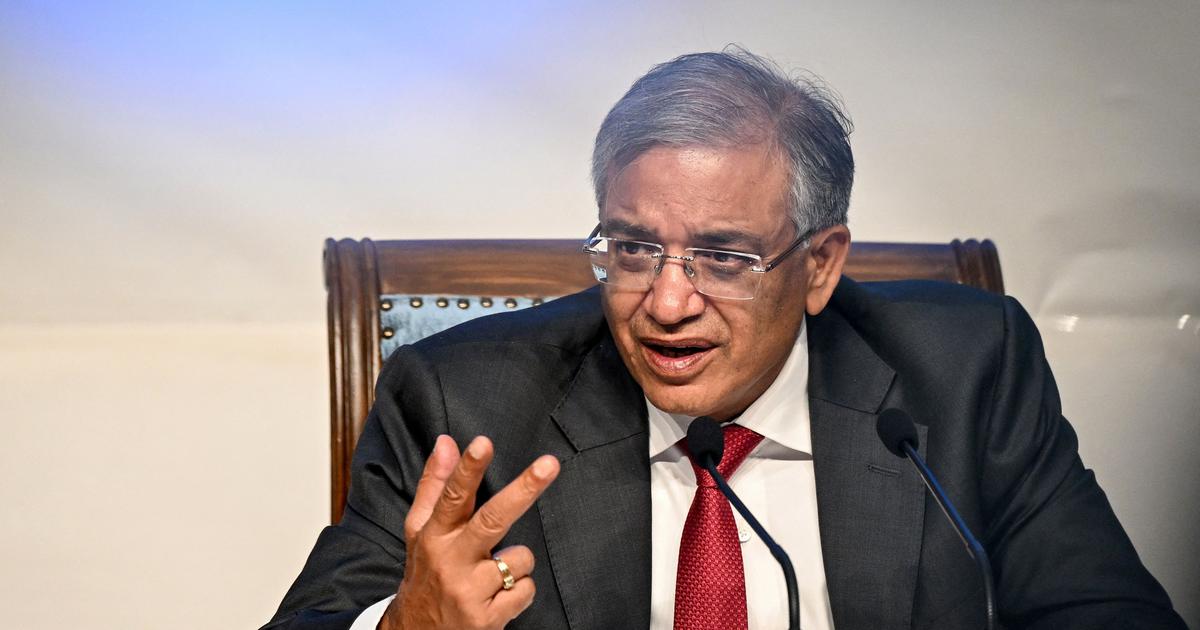
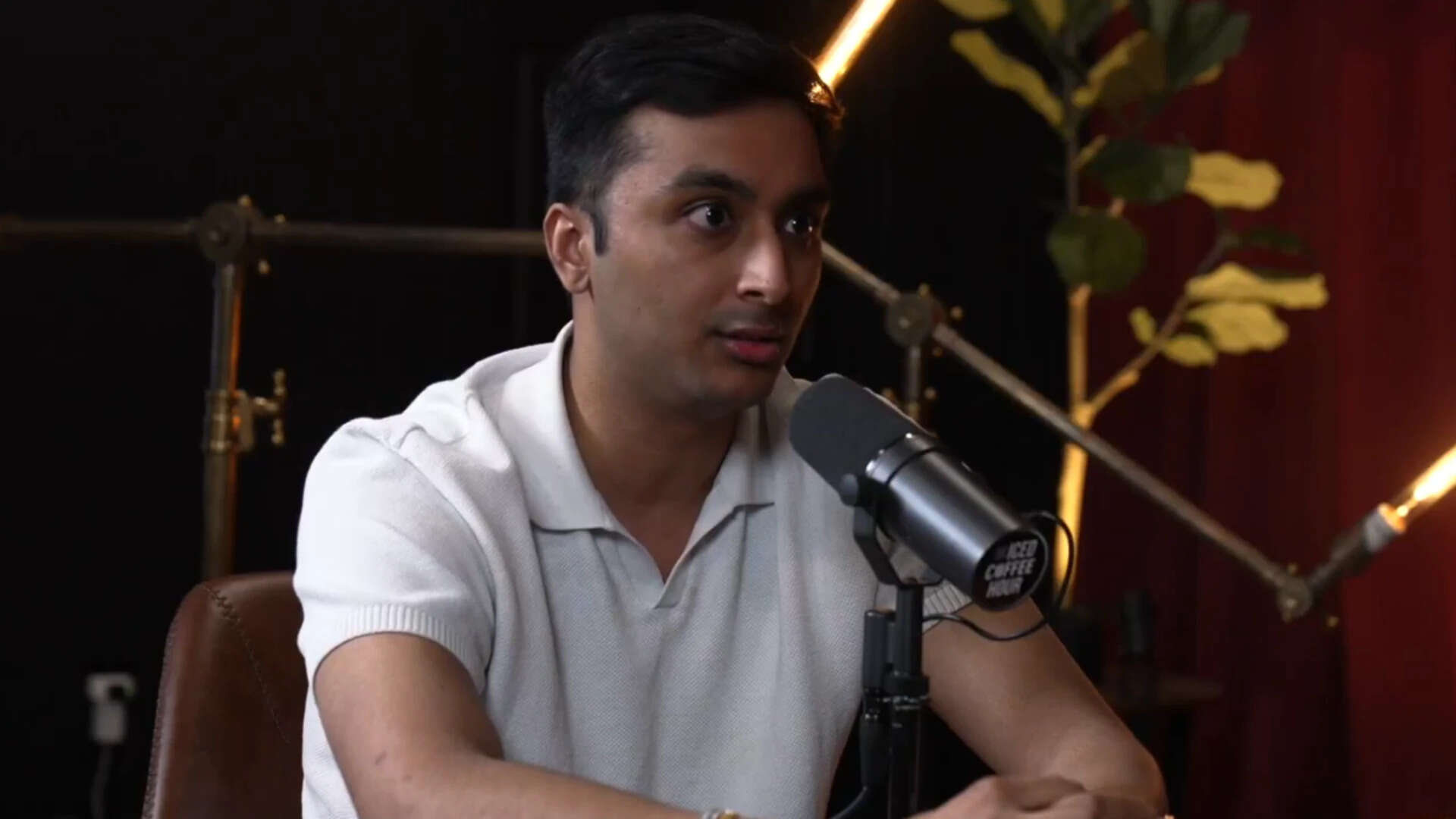
“There’s the belief in the Gulf that, after the war, it’s impossible to come back to the status quo that prevailed before,” says Jean-Loup Samaan, senior research fellow at the Middle East Institute of the National University of Singapore and a non-resident senior fellow at the Atlantic Council and the Institut Montaigne. “In the short-term, it seems clear that the six Gulf states are not going to revise their arrangements with the US… They are faced with a difficult reality: There is no external partner that can replace the Americans, and they don’t have sufficient indigenous capabilities to tell the Americans, ‘we don’t need you anymore. We’re going to handle our security.’”
Embedded within that scenario planning is the question of which actors – including South Asian ones – are going to be important players in calculations on either side of the Gulf over the next decade.
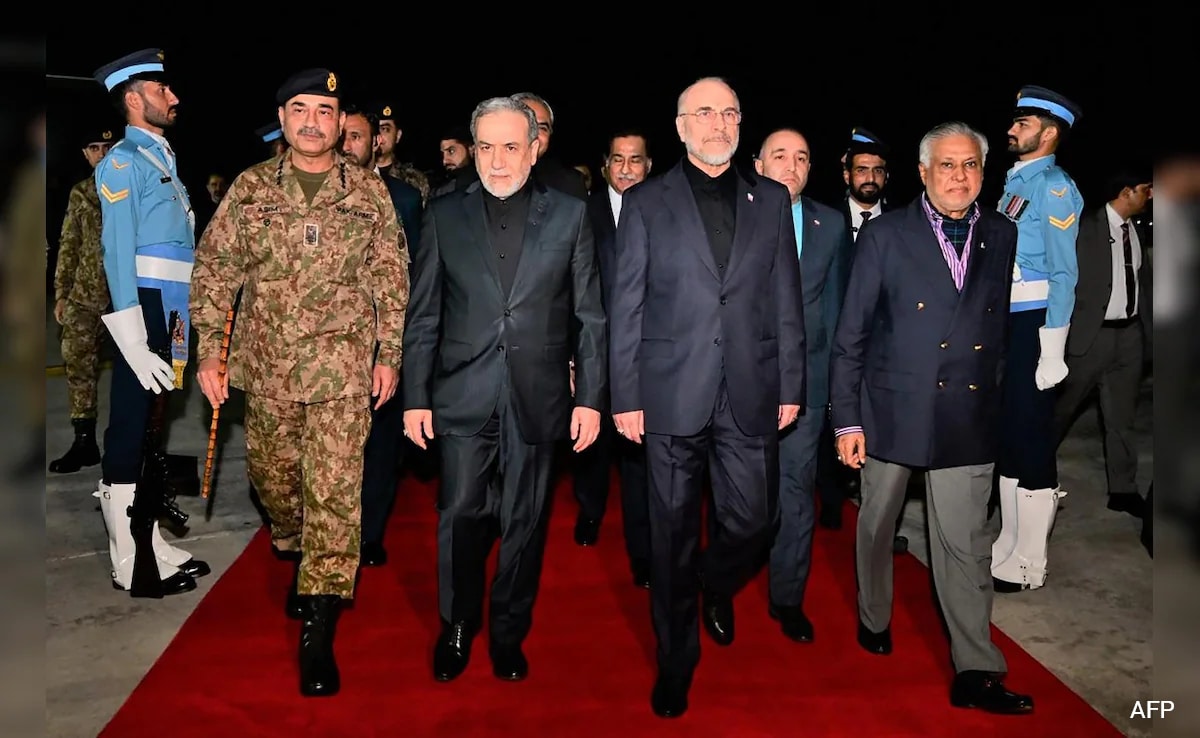
“One interesting and unanticipated development is this revived role of Pakistan [though] it has its limitations,” says Samaan. “I would see the mediation of Pakistan in this conflict in...
Read more
What's Your Reaction?
 Like
0
Like
0
 Dislike
0
Dislike
0
 Love
0
Love
0
 Funny
0
Funny
0
 Angry
0
Angry
0
 Sad
0
Sad
0
 Wow
0
Wow
0