





















India’s missing champions: Beyond medals and wins, children must be encouraged to keep playing
Join our WhatsApp Community to receive travel deals, free stays, and special offers!
- Join Now -
Join our WhatsApp Community to receive travel deals, free stays, and special offers!
- Join Now -

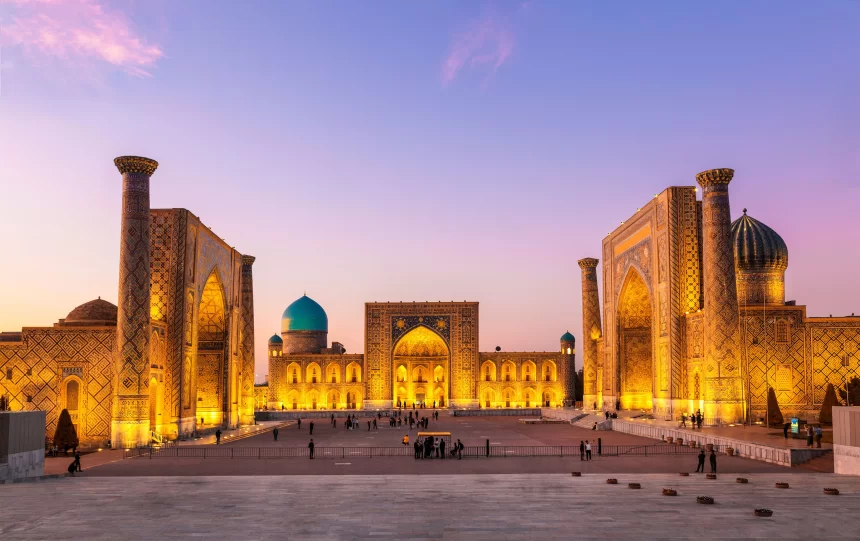
When the 2026 edition of the Asian Games ended on October 4, India finished with 21 gold medals – the same tally as Uzbekistan, whose population is 2.5% the size of India’s.
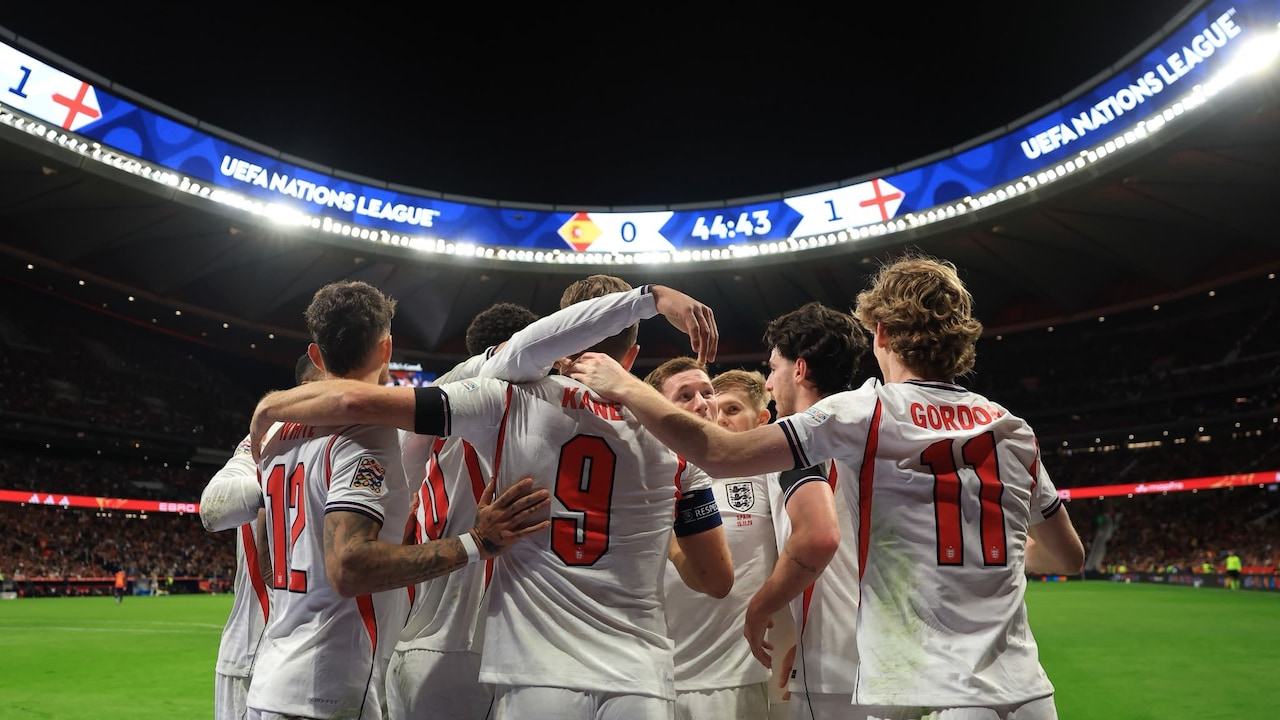
As Indians enthusiastically discuss how best to build a sporting culture, much of the conversation still revolves around medals and elite athletes at the top of the pyramid.
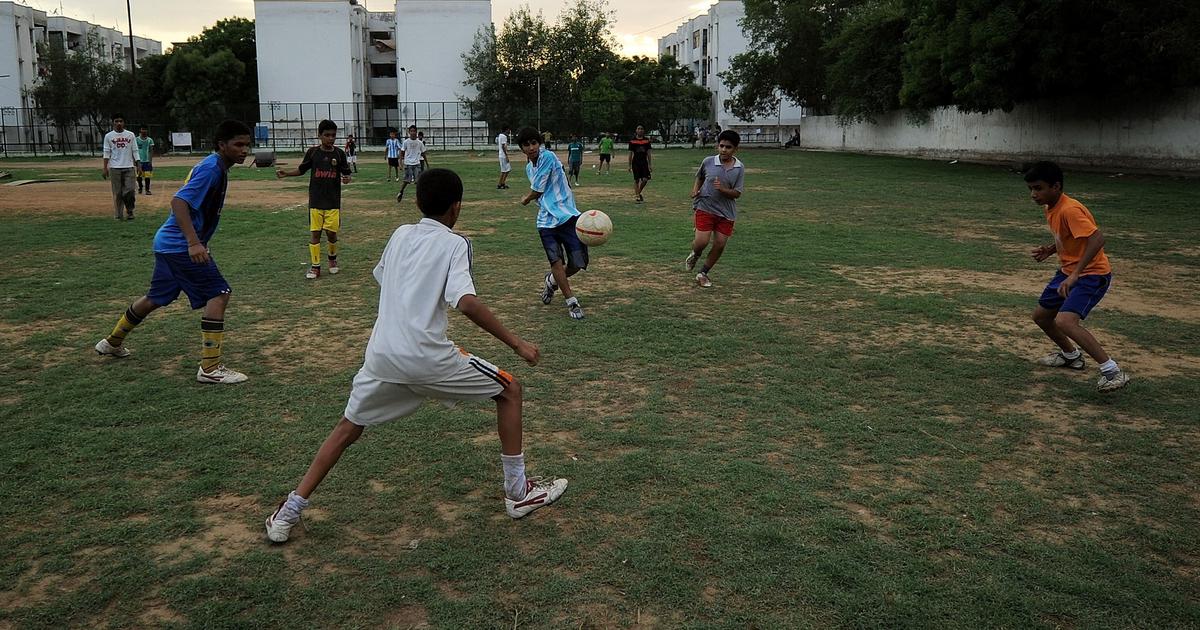
But before we can produce champions, it is essential to strengthen the base of the structure. We need children who want to keep playing.
As an economist, I think about this as a calculation, even if the child or parent is not consciously making one: what do I get from sport? What do I give up? And what happens if I fail?
What do I get from sport?
Sport is rewarding in itself: the pleasure of playing, the camaraderie of a team and the thrill of competing. Economists and psychologists call this intrinsic motivation. This is different from extrinsic motivation, whereby a child may be motivated by a reward such as a medal or, eventually, making a living from sport.
In 1971, psychologist Edward L Deci published an influential study showing that external rewards can sometimes crowd out intrinsic motivation. Behavioural economists Uri Gneezy and Aldo Rustichini later found that a small...
Read more
What's Your Reaction?
 Like
0
 Dislike
0
 Love
0
 Funny
0
 Angry
0
 Sad
0
 Wow
0