



































India and Pakistan have forgotten the most enduring lesson of the Cuban missile crisis
Join our WhatsApp Community to receive travel deals, free stays, and special offers!
- Join Now -
Join our WhatsApp Community to receive travel deals, free stays, and special offers!
- Join Now -

At the height of the Cuban missile crisis, American warships dropped small explosive charges near a Soviet submarine off the coast of Cuba on October 27, 1962. Their purpose was to force the B-59 submarine to surface. The Americans did not know that it carried a nuclear torpedo. Inside the submarine, officers who had been cut off from reliable communications struggled to determine whether war had begun.
Captain Valentin Savitsky came close to ordering the torpedo’s use but another senior officer aboard, Vasili Arkhipov, helped prevent that decision. The episode was fully understood decades later, a reminder of how close the world came to the use of nuclear weapons through misperception, incomplete information, and compressed decision timelines under stress.
The incident, dramatised in The Man Who Saved the World, a 2012 television documentary in the PBS series Secrets of the Dead series, illustrates how nuclear escalation can begin without either belligerent choosing to go nuclear. One side conducts an operation it considers limited while the other encounters explosions, incomplete information and uncertainty about what will happen next. Decisions then depend on officers under tremendous pressure, interpreting intentions they cannot verify.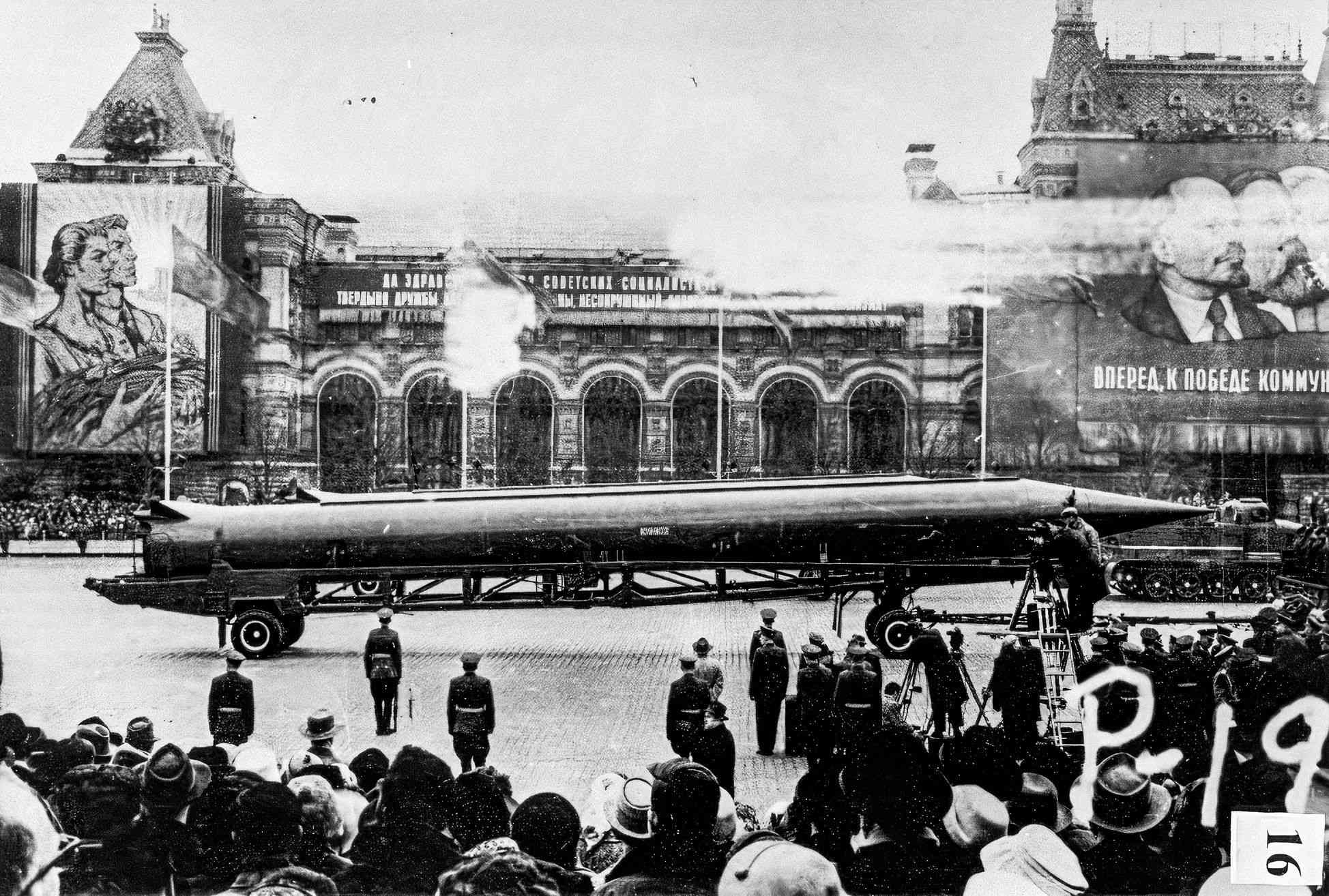
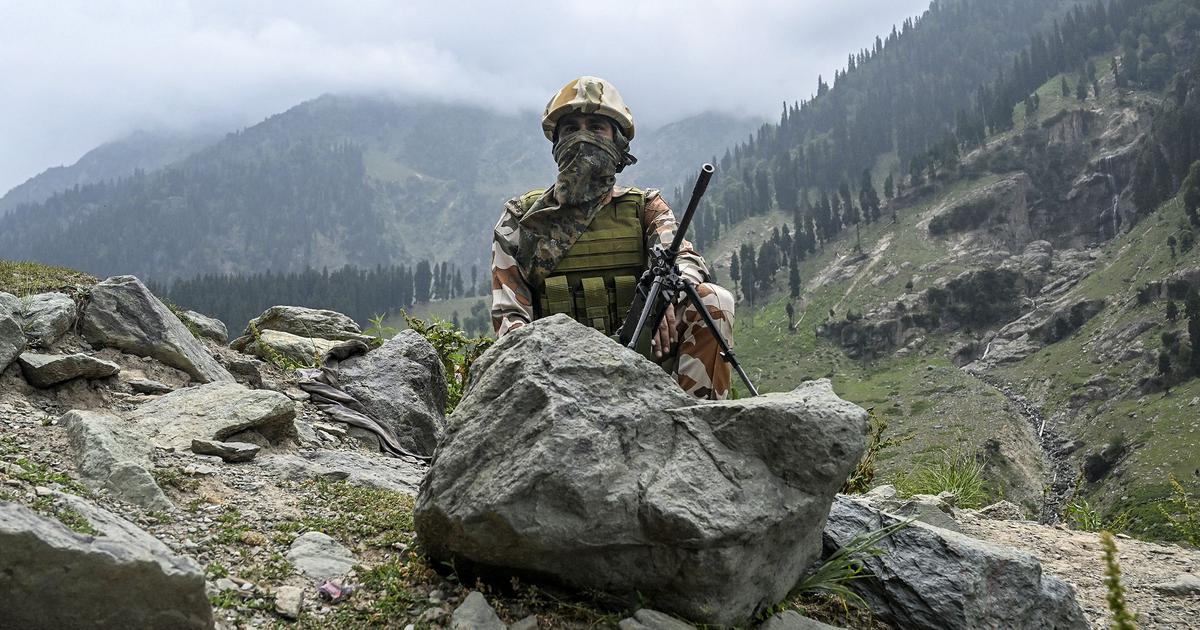
The 88-hour long military conflict between India and Pakistan in May 2025 brought this problem into sharper focus,...
Read more
What's Your Reaction?
 Like
0
Like
0
 Dislike
0
Dislike
0
 Love
0
Love
0
 Funny
0
Funny
0
 Angry
0
Angry
0
 Sad
0
Sad
0
 Wow
0
Wow
0