











![Sony ZV-E10K Content Creator Camera Deal | Premium Mirrorless Camera at ₹63,990 [MRP: ₹69,990]](https://savefree.in/uploads/images/202607/image_870x580_6a69927096f1a.webp?#)
![Grab the realme NARZO 100x 5G with 8000mAh Battery for Only ₹21,999 [MRP: ₹35,999] – Limited Time Deal!](https://savefree.in/uploads/images/202607/image_870x580_6a6997edee7d5.webp?#)

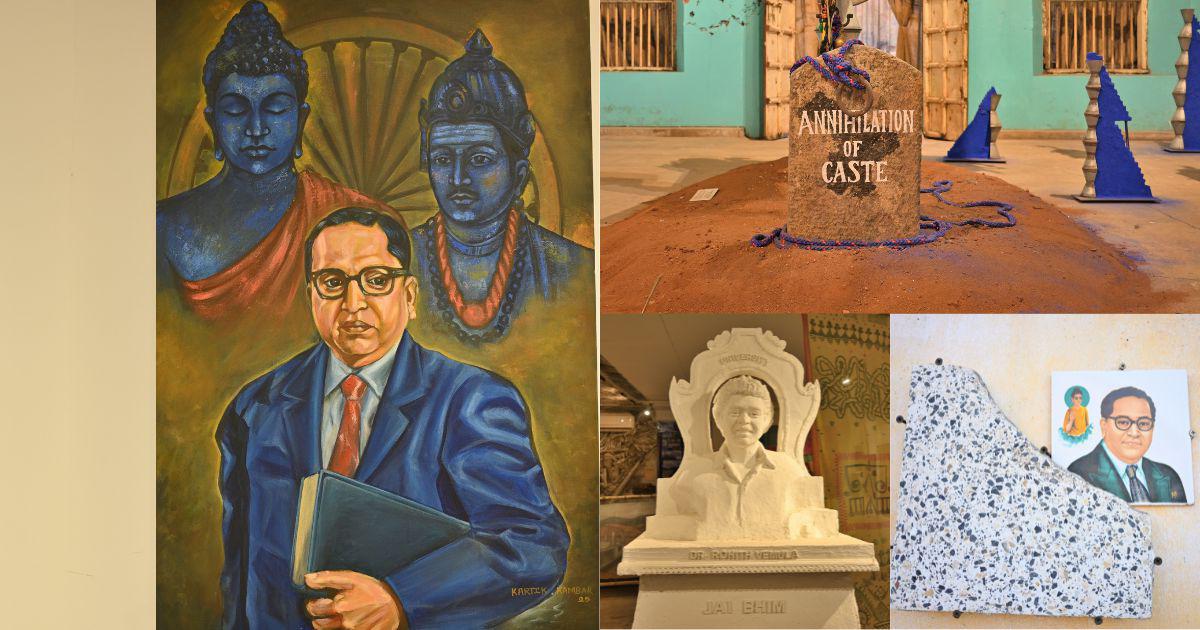
In photos: How Ambedkar inspired art at the Kochi Biennale
Join our WhatsApp Community to receive travel deals, free stays, and special offers!
- Join Now -
Join our WhatsApp Community to receive travel deals, free stays, and special offers!
- Join Now -

Light falls on a hand-sculpted pedestal with two busts, backs to each other. Below one is the inscription “Dr Rohith Vemula”, a reminder of the unfulfilled dream of the doctoral scholar who died by suicide at the Hyderabad Central University in January 2016.
This sculpture, by Kailash Khanjode, was among the most striking of artworks inspired by Ambedkar and reflecting anti-caste movements on display at the Kochi-Muziris Biennale which concluded on March 31.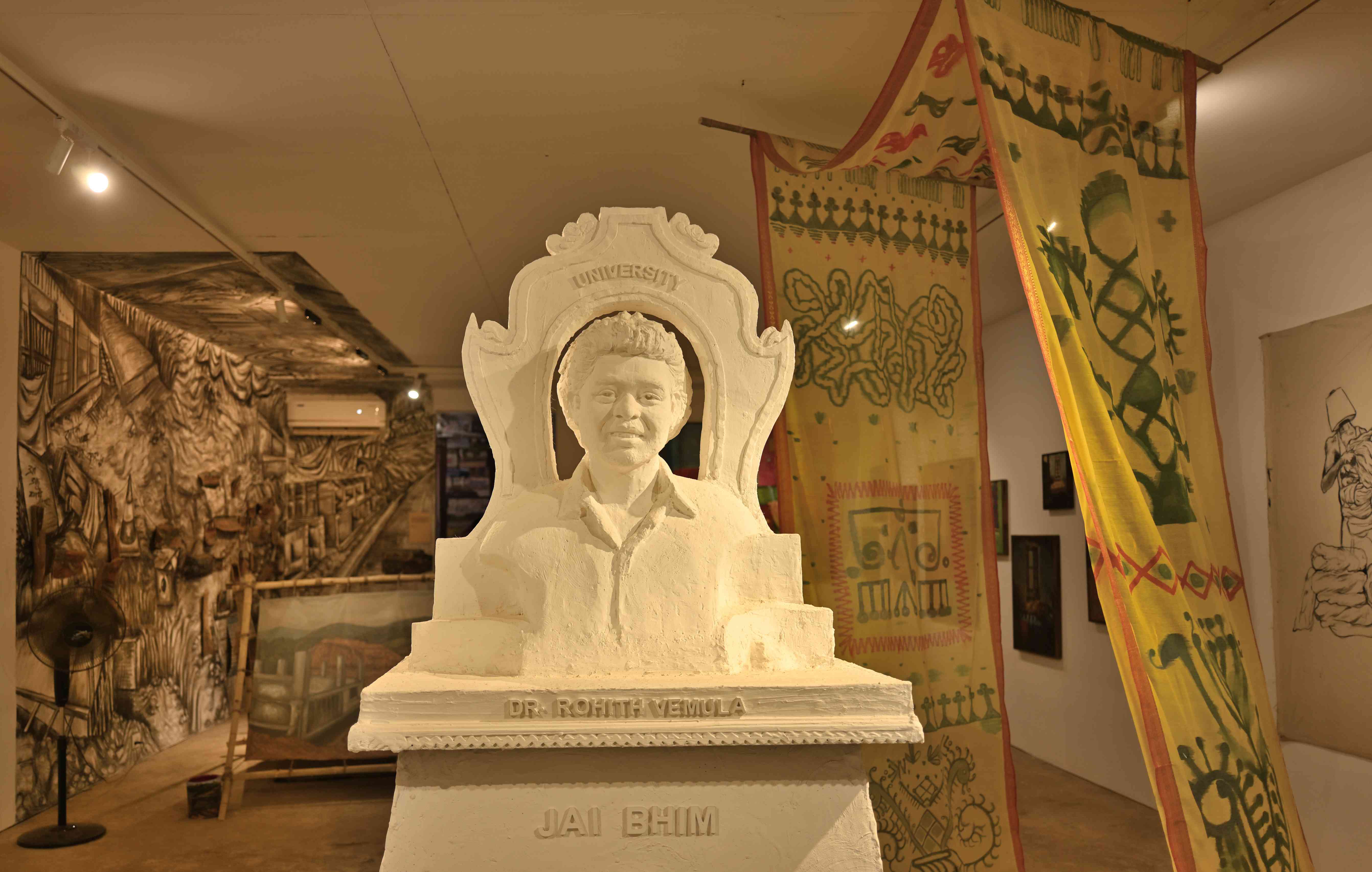
On the other side of the pedestal is Pochiram Kamble. Thirty-eight years before Vemula’s death, Kamble was burnt alive by rioters in August 1978.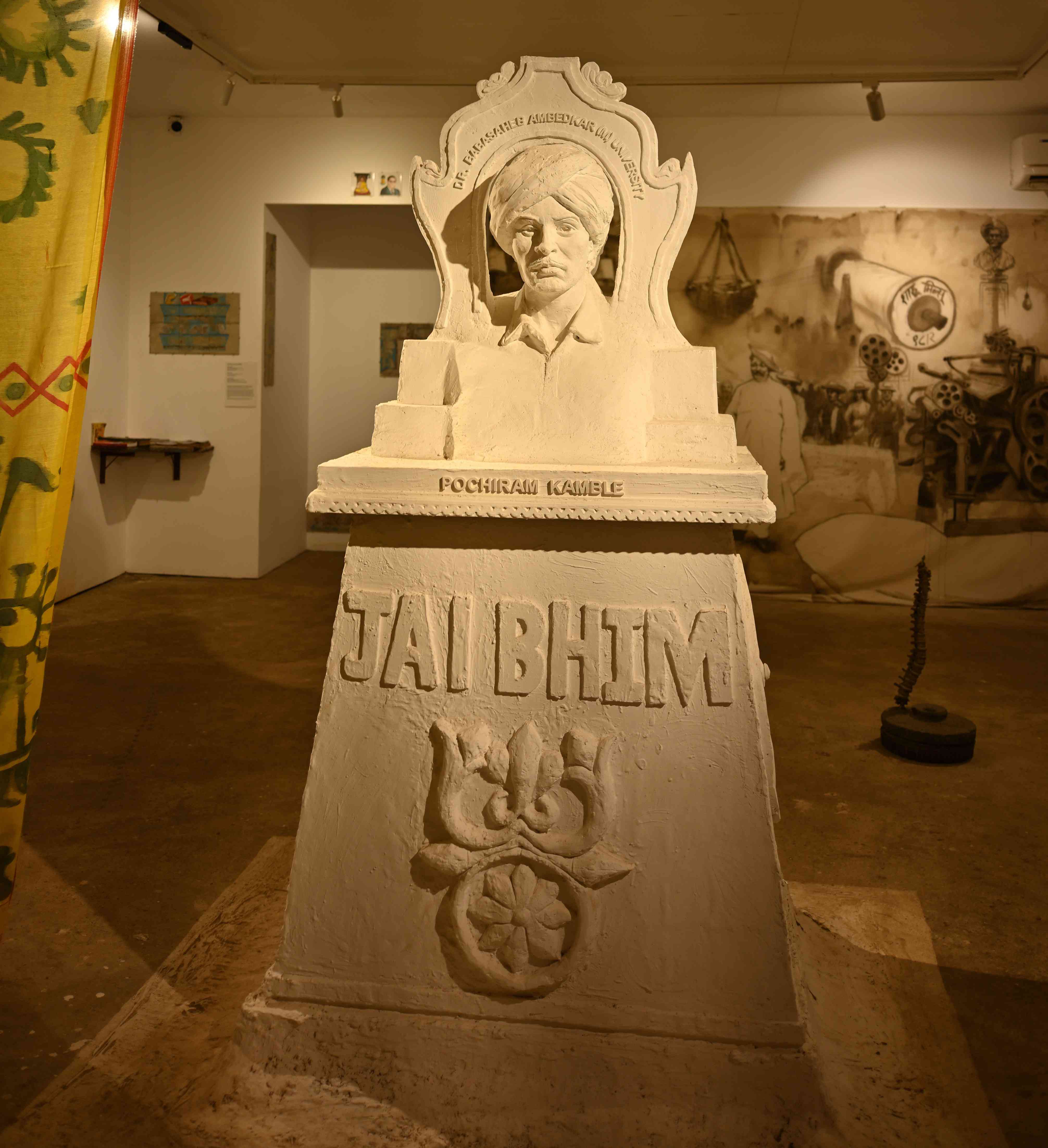
This was the year the Maharashtra legislature in 1978 passed a resolution to rename the Marathwada University after BR Ambedkar, sparking violent opposition from upper castes. Dalit localities in the region were attacked.
An inscription above Kamble’s bust reads “Dr Babasaheb Ambedkar University” and another below that says “Jai Bhim”. A Marathi report notes that Kamble had died chanting “Jai Bhim”.
Circling from Kamble to Vemula and back again, the sculpture seems to present caste prejudice as unchanging and continuous.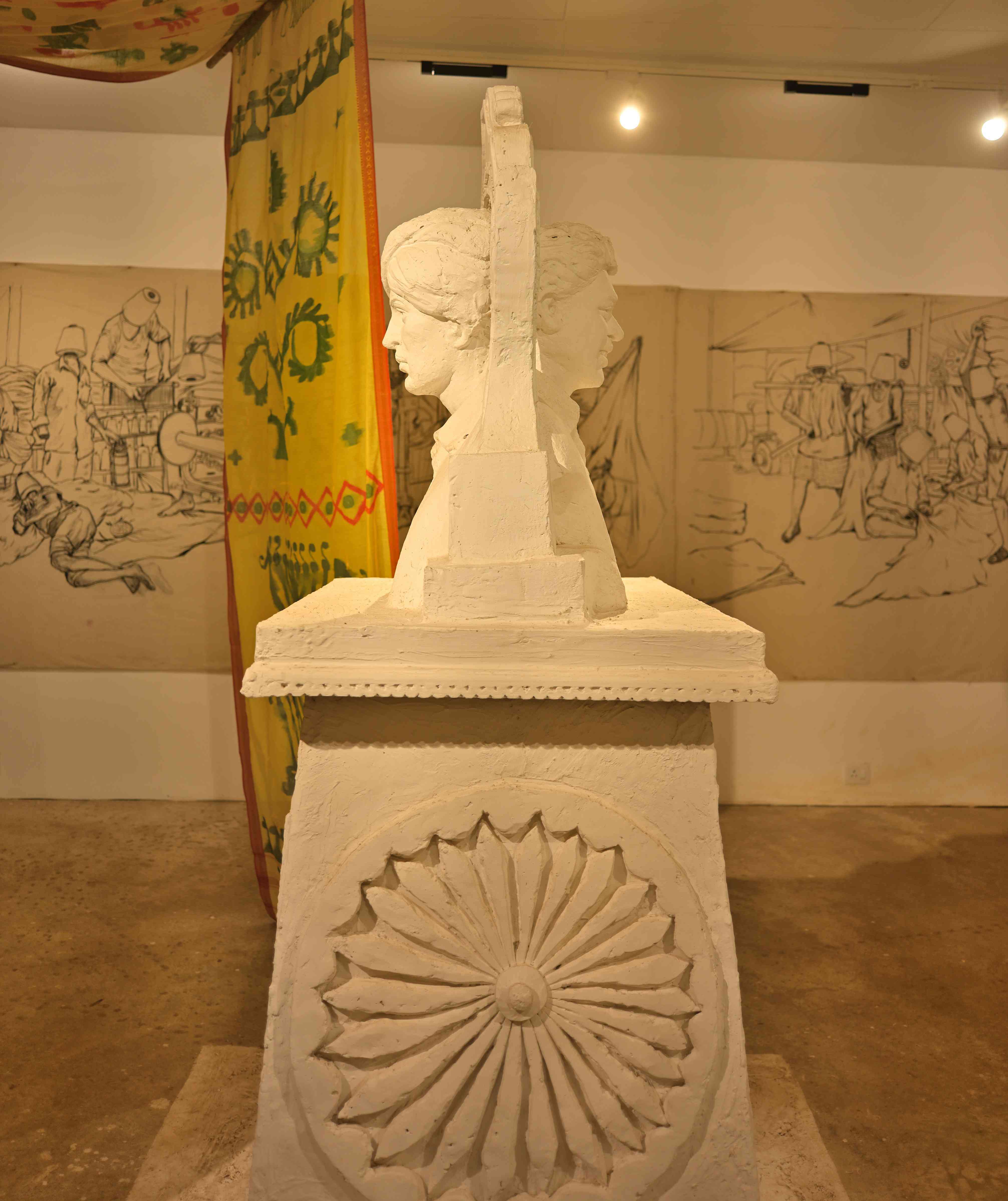
Khanjode’s sculpture is part of a larger art project, Ginning Justice, by Rohit Athavale and Sachin Banne, depicting Mumbai’s caste and religion-segregated housing, and the history of labour in the cloth mills that were started by Kolhapur...
Read more
What's Your Reaction?
 Like
0
Like
0
 Dislike
0
Dislike
0
 Love
0
Love
0
 Funny
0
Funny
0
 Angry
0
Angry
0
 Sad
0
Sad
0
 Wow
0
Wow
0