























In Gujarat, pastoral nomads are losing ties with grass preserves
Join our WhatsApp Community to receive travel deals, free stays, and special offers!
- Join Now -
Join our WhatsApp Community to receive travel deals, free stays, and special offers!
- Join Now -

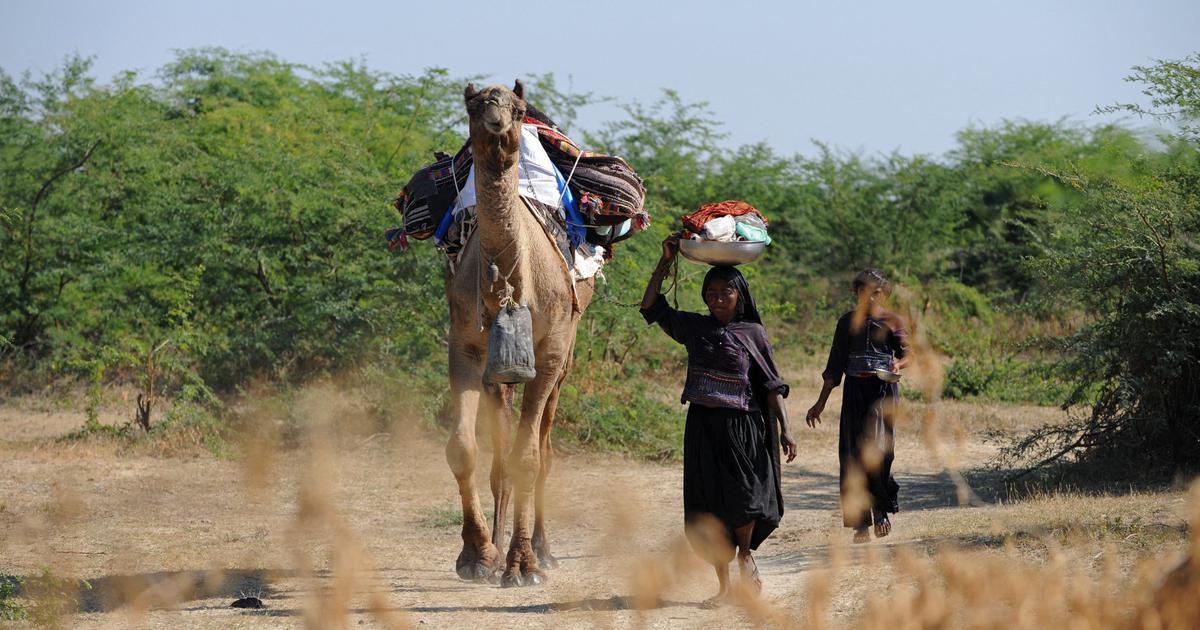
Nasibi Shermamad Jat, 55, remembers how, as a child, she would walk to the rakhal near her village with her mother to take their buffaloes for grazing. “I plucked imli [tamarind] from the trees and collected grass during drought,” she recalls. After she got married, her visits to the rakhal continued with her husband and their camels.
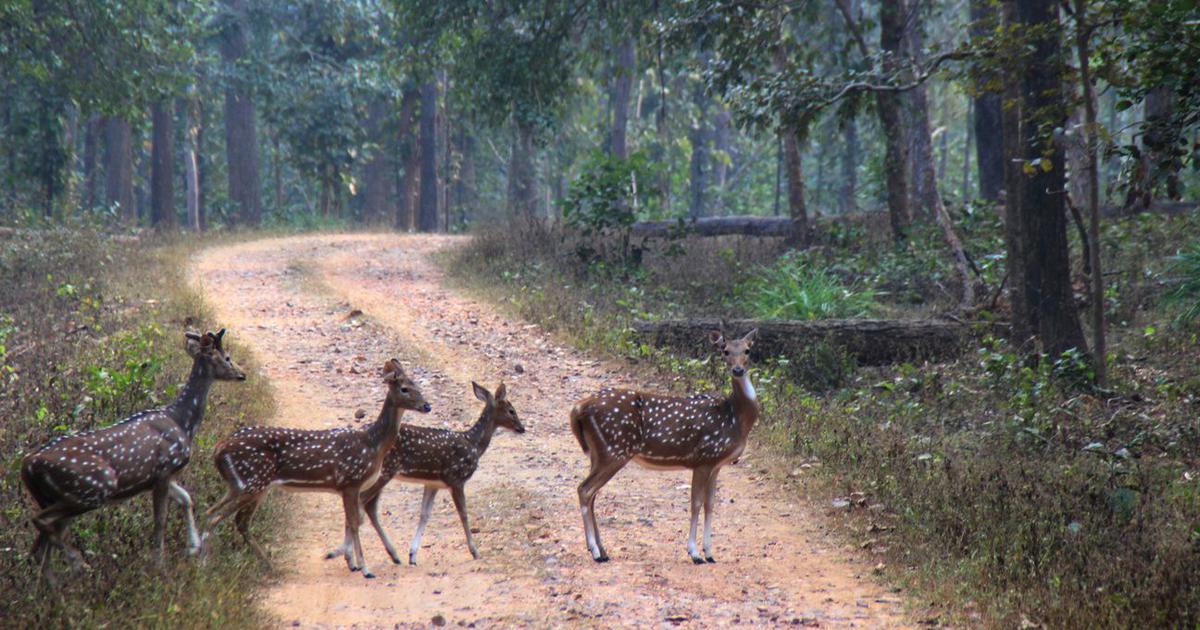
A protected area, a rakhal is typically characterised by sparse tree cover, shrubs, and grass in a savannah-like landscape, found in the arid and semi-arid regions of Kachchh, Gujarat.
Nasibi’s village is one among the many villages across the parched region of Kachchh, where shades of white, beige and sandy brown dominate the landscape. Belonging to the pastoralist Maldhari community in Dhragavandh, a village near the India-Pakistan border, Nasibi’s family of eight owns 30 camels and six buffaloes. There are four rakhals surrounding her village located inside the Narayan Sarovar Sanctuary.
“The kings gave us rakhals to graze our animals,” says Nasibi. Rakhals began as grass preserves in the 1880s, with the purpose of supplying fodder for animals and for hunting by the rulers of the princely state of Kachchh. Cutting trees was banned even then.
The royal court earned revenue from some rakhals by allowing Maldharis to graze their herds in these areas. After Independence, the...
Read more
What's Your Reaction?
 Like
0
Like
0
 Dislike
0
Dislike
0
 Love
0
Love
0
 Funny
0
Funny
0
 Angry
0
Angry
0
 Sad
0
Sad
0
 Wow
0
Wow
0