























![Beautiful Warm White Glow LED Bonsai Tree Lamp Only ₹520 [MRP: ₹1299]](https://savefree.in/uploads/images/202605/image_870x580_6a16bf5b93991.webp?#)


![Acer Aspire One Laptop Deal – Powerful Performance at ₹32,990 [MRP: ₹55,999]](https://savefree.in/uploads/images/202605/image_870x580_6a16d36a0d0a1.webp?#)


In global database tracking atrocities over 40 years, both Iran and US find mention
Join our WhatsApp Community to receive travel deals, free stays, and special offers!
- Join Now -
Join our WhatsApp Community to receive travel deals, free stays, and special offers!
- Join Now -

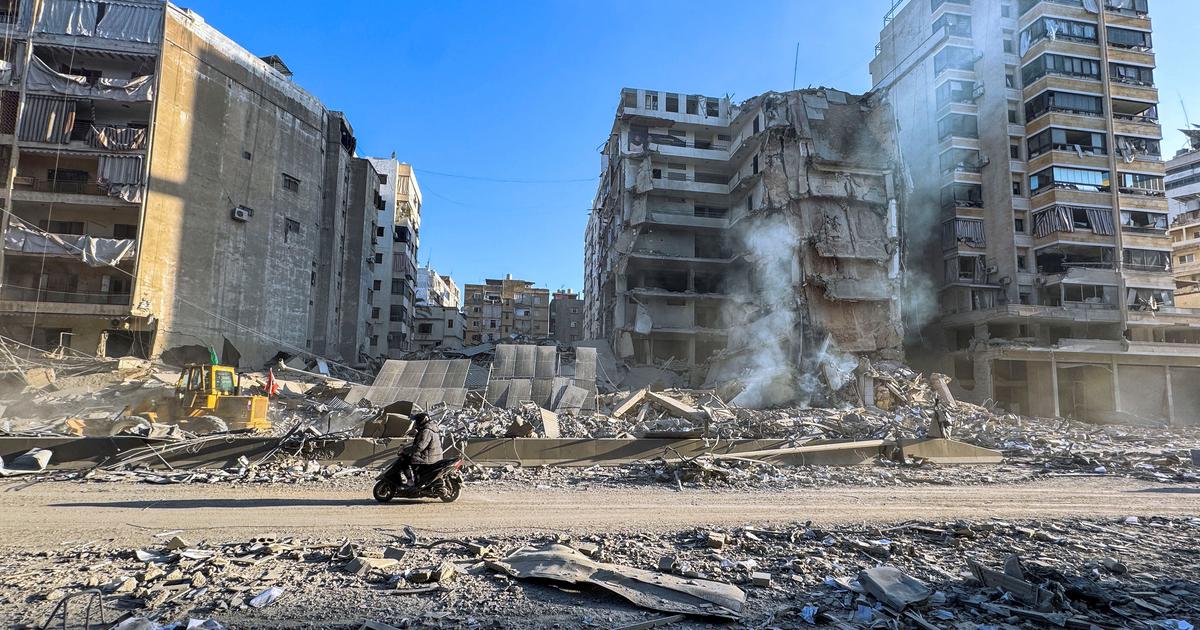
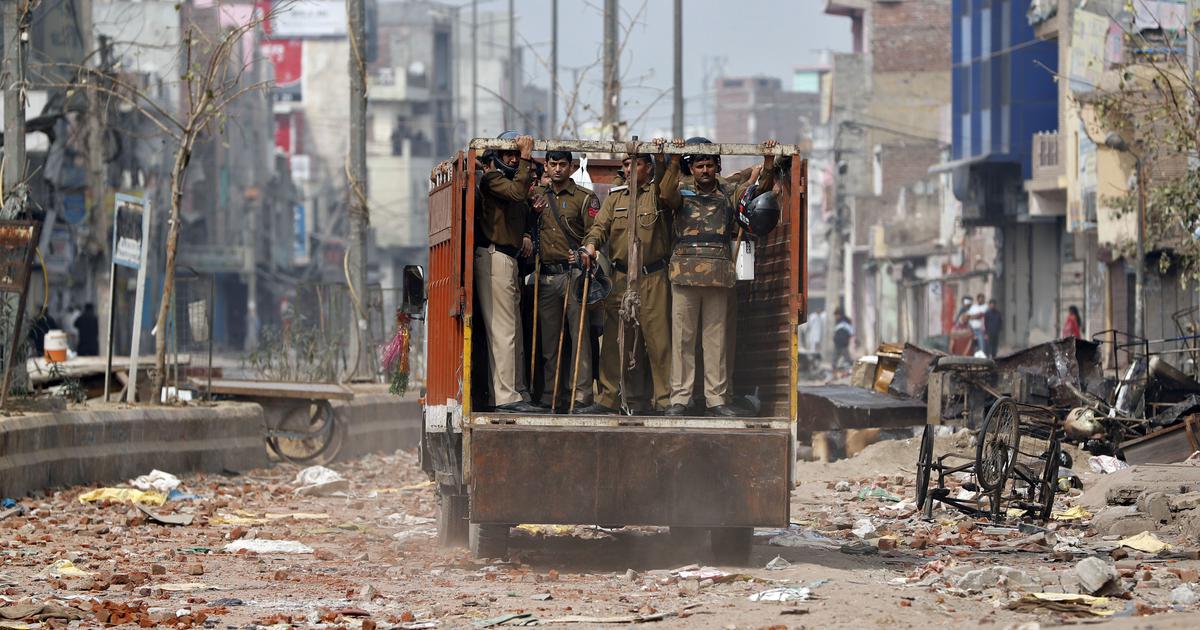
Thousands of people were killed by Iranian security forces in days of protests in January 2026. Meanwhile, in the same month, the killing of two protesters in Minneapolis shone a light on the use of fatal force by American law enforcement – a phenomenon that in 2025 saw the deaths of more than 1,300 people in the US, according to data tracking such incidents.
But should one of those two sets of killings be classified as a government-involved “atrocity” and the other not? The answer may not be as simple as you think, and it revolves around how you classify atrocities.
While dictionaries tend to describe an “atrocity” as a horrific or wicked act, there is no one agreed-upon definition in either scholarship on the issue or under international human rights law.
Part of the problem of definition is political – powerful countries tend to be treated differently from weaker ones, and some governments avoid scrutiny altogether. People are also less likely to condemn an atrocity when it is carried out by members of one’s own political party, and killings that take place over longer periods tend to generate fewer headlines.
As experts on human rights and atrocity prevention, we have been working to address these imbalances. In recent research, we developed a systematic, transparent and replicable method to identify when governments commit serious human rights...
Read more
What's Your Reaction?
 Like
0
Like
0
 Dislike
0
Dislike
0
 Love
0
Love
0
 Funny
0
Funny
0
 Angry
0
Angry
0
 Sad
0
Sad
0
 Wow
0
Wow
0