




































How Tibetan nomads deal with life amidst China’s giant solar and wind farms
Join our WhatsApp Community to receive travel deals, free stays, and special offers!
- Join Now -
Join our WhatsApp Community to receive travel deals, free stays, and special offers!
- Join Now -

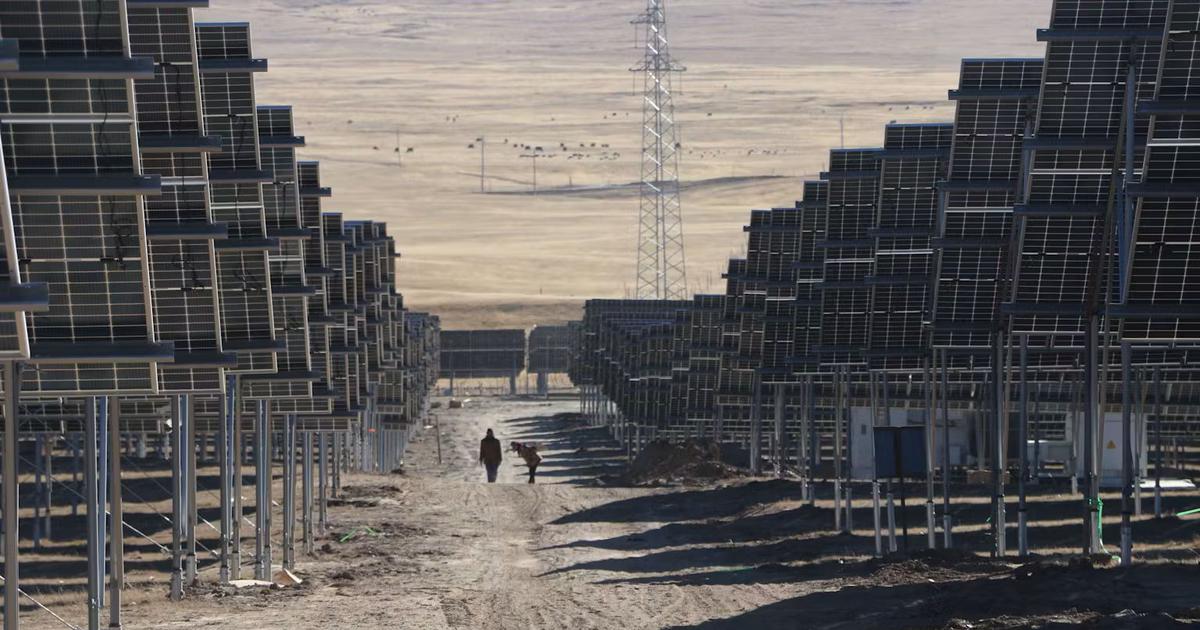
China is building some of the world’s largest solar farms on the Tibetan Plateau, where nomadic people have grazed herds of animals for millennia.
It’s not the first time Tibetan regions have become a major source of renewable energy in China. Since the mid-1990s, many Tibetan communities have lived alongside hydropower stations.
Now, with vast open landscapes and high elevations that provide ideal conditions for harnessing solar and wind energy, many pastoral lands have become key sites for large-scale renewable energy projects.
As part of my ethnographic research, I spoke to number of people in this area, offering a rare look at how large-scale energy development is affecting nomadic communities.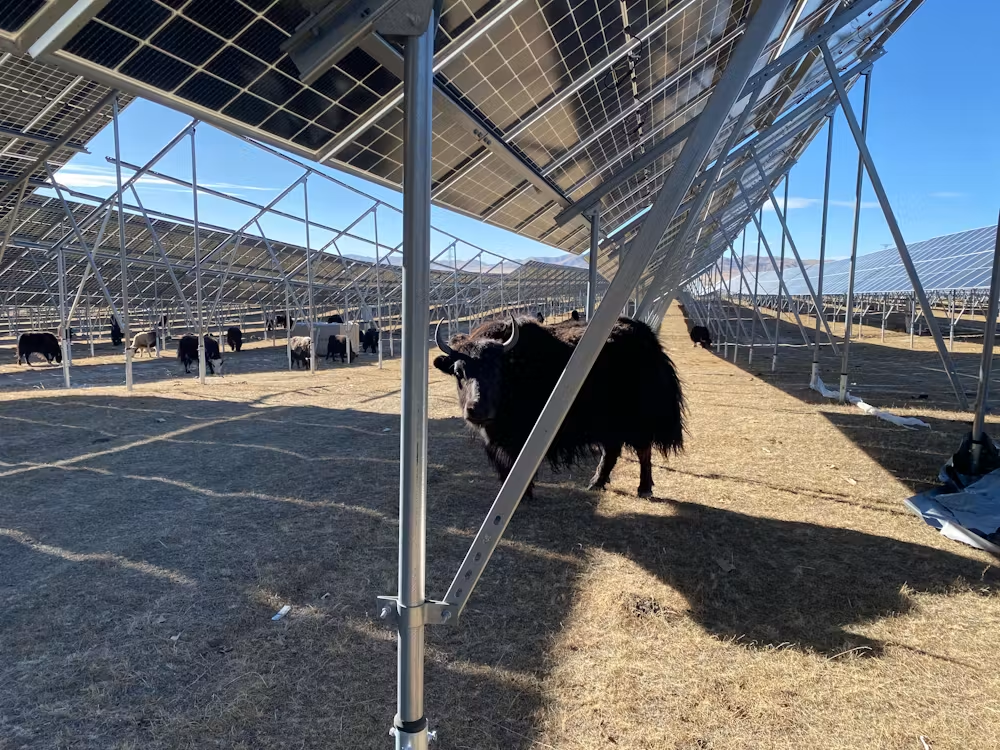
Herding yaks on solar farms
I spent time in a nomadic community located about 161 km southeast of Xining city, the capital of Qinghai province.
Beginning in 2017 and accelerating more recently, regional subsidiaries of energy companies such as PowerChina have built three solar panel power plants – enough to generate about 1 gigawatt of power – and a dozen wind turbines on the area’s open grasslands.
Sandy, desert-type land is well known to be suitable for solar and wind farms. Yet the grasslands and many other pastoral areas turned into solar farms are not sandy deserts. They are productive grazing land where Tibetans have herded yaks and sheep for generations.
Parts of what was...
Read more
What's Your Reaction?
 Like
0
Like
0
 Dislike
0
Dislike
0
 Love
0
Love
0
 Funny
0
Funny
0
 Angry
0
Angry
0
 Sad
0
Sad
0
 Wow
0
Wow
0








![Cruise 2 Ton 3 Star Inverter Split AC – Now Only ₹38,490 [MRP: ₹64,900] on Amazon!](https://savefree.in/uploads/images/202607/image_870x580_6a6870eb6880c.webp?#)