




















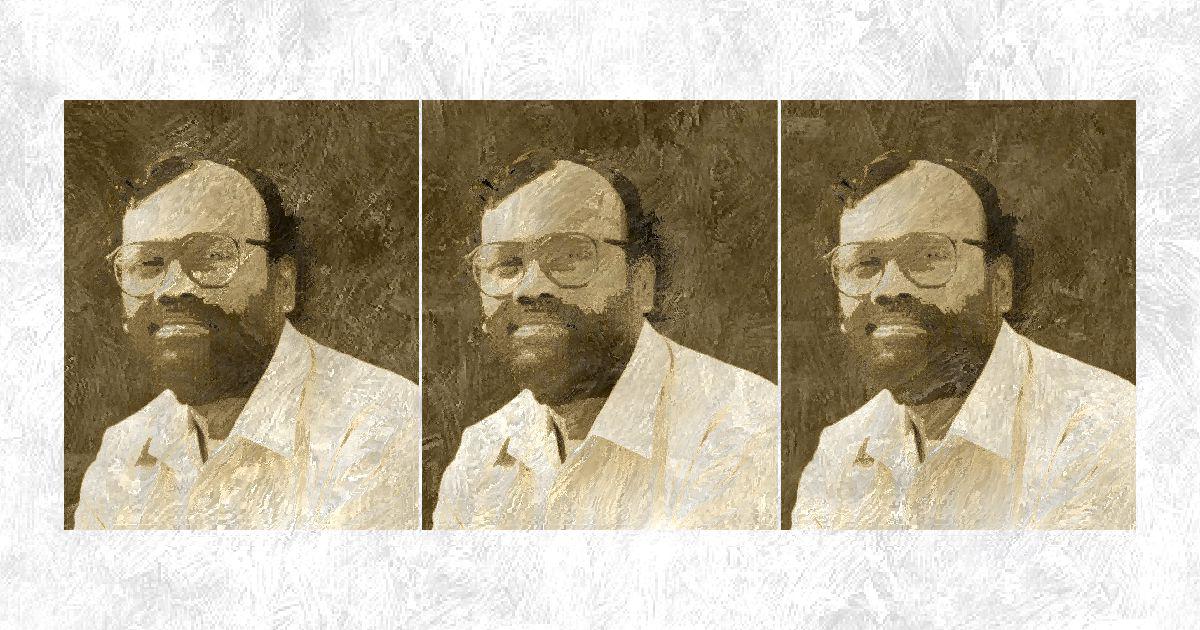
How literary critic DR Nagaraj engaged with 12th-century philosopher-poet Allama Prabhu in his work
Join our WhatsApp Community to receive travel deals, free stays, and special offers!
- Join Now -
Join our WhatsApp Community to receive travel deals, free stays, and special offers!
- Join Now -

The 12th-century Shaiva mystic and vachanakara Allama Prabhu has been a massive presence in the Kannada, and more recently, in the Indian, cultural imagination. Apart from a couple of inscriptions that mention Allama in the premodern world, we access his life and thought as narrativised in several texts, beginning from 13th-century Harihara’s Allamaprabhudevara Ragalegalu through Chamarasa’s Prabhulinga Lile to 15th and 16th centuries five-volume Shunyasampadanes and other Virashaiva puranas.
Modern engagement with Allama and the entire vachana tradition, however, has been predominantly scholarly. Chief among the different forms of modern engagement with the vachana tradition has meant textualizing vachanas – collecting, editing, and printing them. Vachanas were performative practices but became objects of study, research, and translation in English during the modern period: so we have interpretations of vachanas in anthologies, doctoral theses, monographs, and articles among others.
Yet, Kannada scholarship produced no substantial work theorising vachanas in a hermeneutic mode until DR Nagaraj’s Allamaprabhu mattu Shaiva Pratibhe, published in 1999. No work before his put forward theoretical propositions and bold hypotheses on vachanas and vachanakaras. Known to the Anglophone world for his insightful writings on the Dalit Movement, literature, and culture, compiled into the volumes The Flaming Feet and Other Essays and Listening to the Loom, the Kannada cultural critic...
Read more
What's Your Reaction?
 Like
0
Like
0
 Dislike
0
Dislike
0
 Love
0
Love
0
 Funny
0
Funny
0
 Angry
0
Angry
0
 Sad
0
Sad
0
 Wow
0
Wow
0