



































How India’s coral reef restoration efforts are paying off
Join our WhatsApp Community to receive travel deals, free stays, and special offers!
- Join Now -
Join our WhatsApp Community to receive travel deals, free stays, and special offers!
- Join Now -

Coral reefs, often called the rainforests of the sea, are among the most productive and vibrant ecosystems on earth. Despite occupying less than 1% of the sea floor, they harbour over 25% of all marine species, including fish, lobsters, clams, seahorses, sponges and sea turtles.
Reefs form over thousands of years as coral polyps, the tiny marine animals that make up hard or stony corals that attach to hard surfaces such as submerged rocks and secrete calcium carbonate (limestone), creating rigid, protective skeletons.
Since the 1950s, the world’s living corals and their capacity to provide ecosystem services have declined by half. Climate change, which has led to rising ocean temperatures and acidification is one of the major threats to corals.
Local, human-driven causes impacting coral reefs include pollution from land, unsustainable and destructive fishing practices, coastal development and sedimentation, unsustainable tourism and boating, as well as environmental threats such as disease and predator outbreaks.
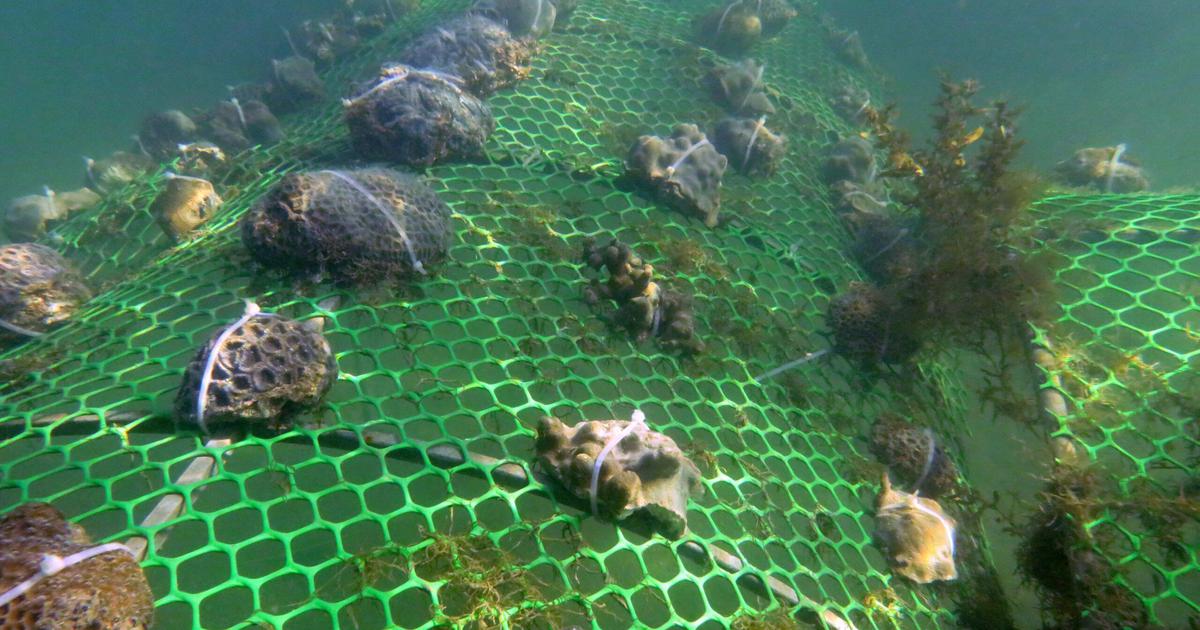
Coral restoration, introduced in the 1970s, is an active, human-led process aimed at rebuilding and accelerating the recovery of damaged or degraded reefs. This is achieved by growing corals underwater or in land-based nurseries, then transplanting them back into the seabed using adhesives such as cement.
The goals of coral restoration are to enhance reef resilience to future stresses, restore biodiversity, protect coral genetic diversity, and...
Read more
What's Your Reaction?
 Like
0
Like
0
 Dislike
0
Dislike
0
 Love
0
Love
0
 Funny
0
Funny
0
 Angry
0
Angry
0
 Sad
0
Sad
0
 Wow
0
Wow
0