

































Can fuel-reliant South Asia survive the next global conflict?
Join our WhatsApp Community to receive travel deals, free stays, and special offers!
- Join Now -
Join our WhatsApp Community to receive travel deals, free stays, and special offers!
- Join Now -

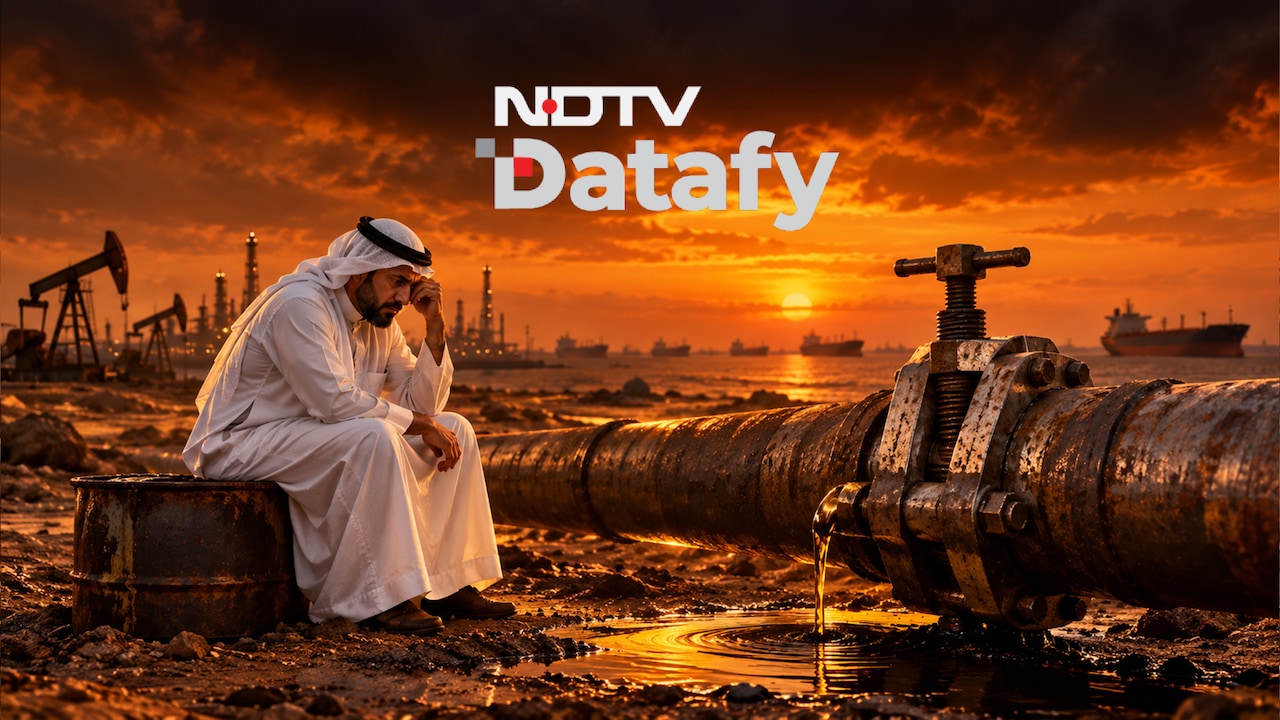
Amid signs that the US and Iran have paused their latest round of hostilities, it is time to examine the economies that the conflict effectively brought to a standstill this year.
In March 2026, when the exchange of threats and missiles choked the Strait of Hormuz, the bill landed on the doors of Dhaka, Islamabad and Colombo long before it reached Washington or Brussels.
The moment revealed itself less as a geopolitical crisis and more as unending queues for fuel in South Asia, with restaurants shuttered and households plunged into darkness by relentless load shedding.
Bangladesh, Pakistan and Sri Lanka – three countries with virtually no domestic oil reserves and no meaningful influence over global commodity prices – absorbed energy shocks for a war they did not cause. That is the nature of fossil-fuel dependence in South Asia, and it is not new. The 2008 oil price bubble and subsequent spike. The 2022 Russia‑Ukraine war in which Russia limited supplies and caused gas price shocks. These are other chapters in the same structural story.
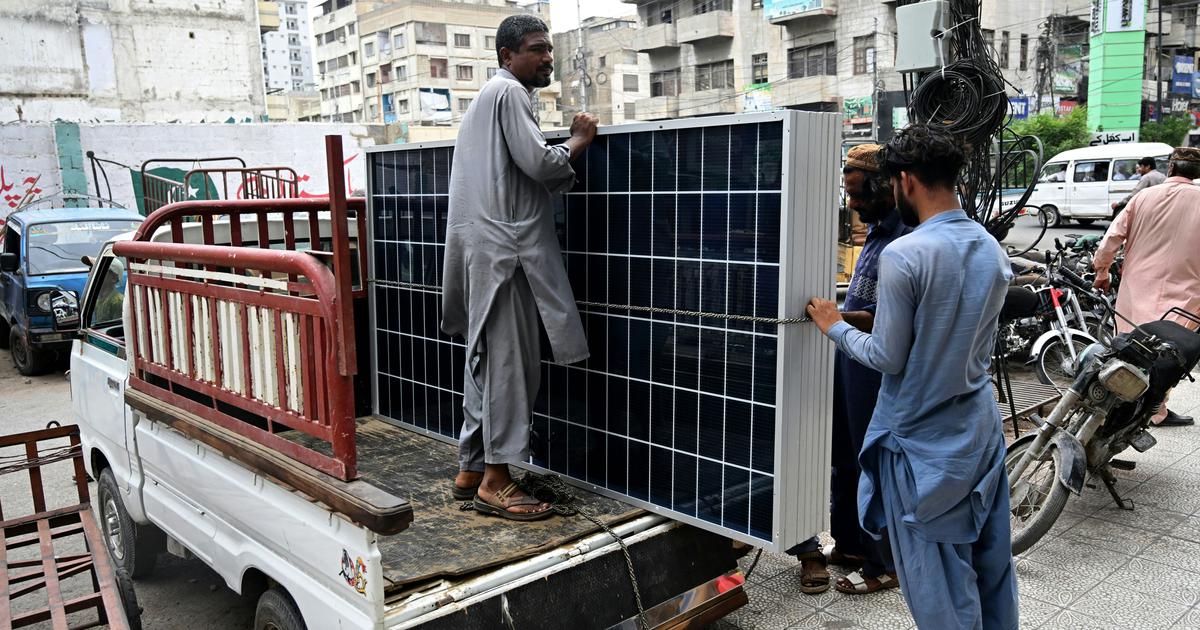
What makes 2026 different is that alternatives now exist, they are affordable, and some of these countries have already begun deploying them. The question is whether they build on that foundation proactively before the next disruption, or patch the damage reactively...
Read more
What's Your Reaction?
 Like
0
Like
0
 Dislike
0
Dislike
0
 Love
0
Love
0
 Funny
0
Funny
0
 Angry
0
Angry
0
 Sad
0
Sad
0
 Wow
0
Wow
0