

































How does the depreciating rupee affect one’s personal savings and finances? A new book explains it
Join our WhatsApp Community to receive travel deals, free stays, and special offers!
- Join Now -
Join our WhatsApp Community to receive travel deals, free stays, and special offers!
- Join Now -

Have you ever heard someone say, “The rupee is falling against the dollar”? It might sound like financial jargon, but it actually has a very real impact on your day-to-day expenses – even if you’re not travelling abroad. Let’s break it down.
Every country has its own currency. When countries trade with each other, they need to convert their currency into the other’s. So, for example, if India wants to buy something from the US – like crude oil, electronics or machinery – it has to pay in US dollars, not rupees.
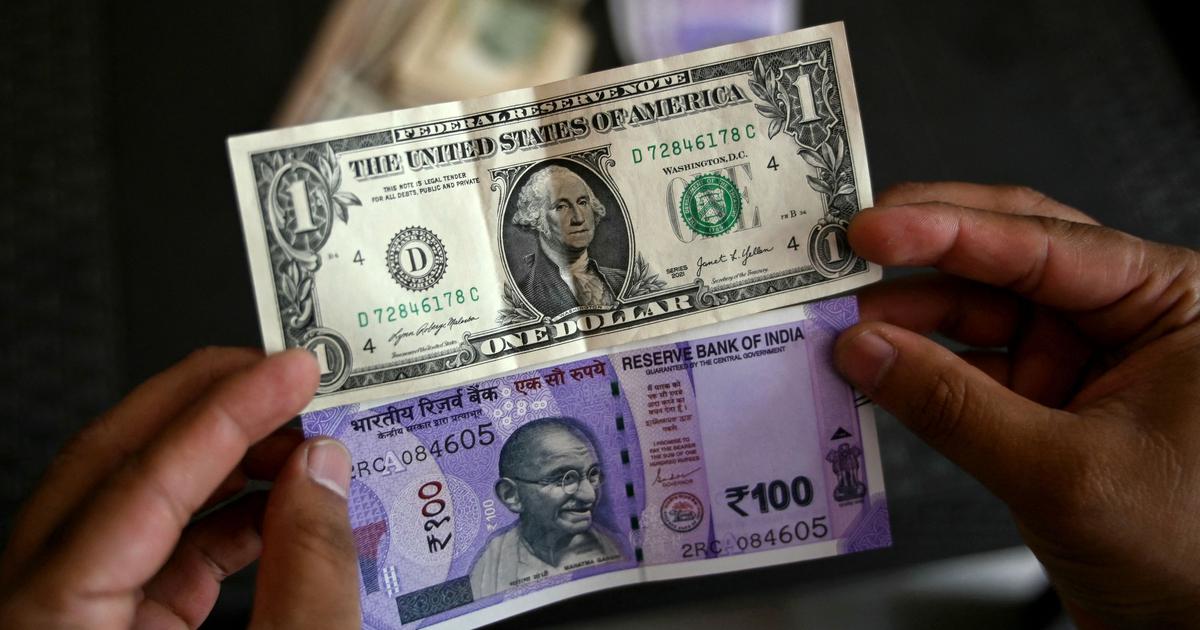
Today, 1 US dollar = Rs 75. But next month, 1 US dollar = Rs 80.
This means the rupee has weakened, depreciated or lost value compared to the dollar. Earlier, India needed Rs 75 to buy something worth $1. Now, it needs more rupees, that is, Rs 80, to buy the same thing. That extra Rs 5 has to come from somewhere – and that “somewhere” is your wallet.
So, when the rupee weakens, imports become more expensive, because we need more rupees to buy the same goods from abroad. And since India imports many essential items, like fuel, cooking oil, smartphones, and electronics, those prices go up for everyone. This...
Read more
What's Your Reaction?
 Like
0
Like
0
 Dislike
0
Dislike
0
 Love
0
Love
0
 Funny
0
Funny
0
 Angry
0
Angry
0
 Sad
0
Sad
0
 Wow
0
Wow
0