
















![Travel Smart in Style – Safari Genius Alley 3-Piece Trolley Bag Set At Just Rs. 4,799 [MRP Rs. 27,997]](https://savefree.in/uploads/images/202603/image_870x580_69ba745807dff.webp?#)

![Upgrade Your Home Décor with Stylish & Comfortable Carpet With Elegant Designs Just Rs. 279 [MRP Rs. 999]](https://savefree.in/uploads/images/202603/image_870x580_69bb73d51a19d.webp?#)



How cow urine became an unlikely ingredient in art and photography
Join our WhatsApp Community to receive travel deals, free stays, and special offers!
- Join Now -
Join our WhatsApp Community to receive travel deals, free stays, and special offers!
- Join Now -

Contemporary art is often parodied for its use of bodily waste – urine on canvases, faeces in tin cans, menstrual blood as installation. But rewind two centuries and you’ll find that while excretory materials may not have made it to the content of images, they nevertheless did serve as ingredients for their production.
Two luminous substances in art and early photography embody this intersection of excreta and visual culture in 19th-century South Asia: the medieval pigment called Indian yellow, and Bengal light, one of the first ever artificial photographic lighting sources. Both technologies of illumination were derived in Bihar from bovine urine and involved processes of production and distribution that have been either historically documented or chemically recovered relatively recently. Furthermore, both reflected a colonial complex of political, economic and visual governance.
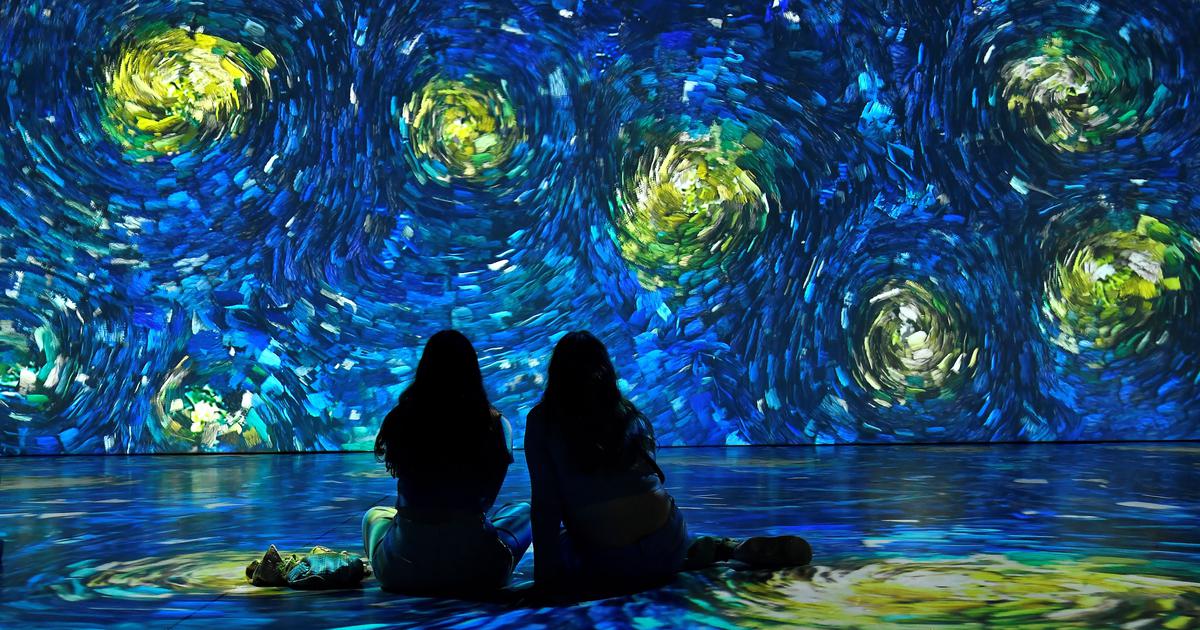
Among the two, Indian yellow is by far the more intriguing, partly due to what art historian BN Goswamy once called the “mystique” surrounding its preparation. A 2008 study contended that Indian yellow – also identified as peori, purree and gogoli in literature – was used to render the moon and stars in Vincent Van Gogh’s Starry Night (1889). There may have been a conceptual logic to its celestial deployment: chemist and painting technologist Alexander Eibner described...
Read more
What's Your Reaction?
 Like
0
Like
0
 Dislike
0
Dislike
0
 Love
0
Love
0
 Funny
0
Funny
0
 Angry
0
Angry
0
 Sad
0
Sad
0
 Wow
0
Wow
0