

























![Create Professional Videos & Attend Meetings in Full HD with Logitech C920 Webcam at Just ₹8,995 [MRP: ₹10,295]](https://savefree.in/uploads/images/202607/image_870x580_6a549de4dbd93.webp?#)

![Godrej 600L Premium Side-by-Side Refrigerator at ₹69,990 [MRP: ₹1,18,490]](https://savefree.in/uploads/images/202607/image_870x580_6a54a25e35535.webp?#)

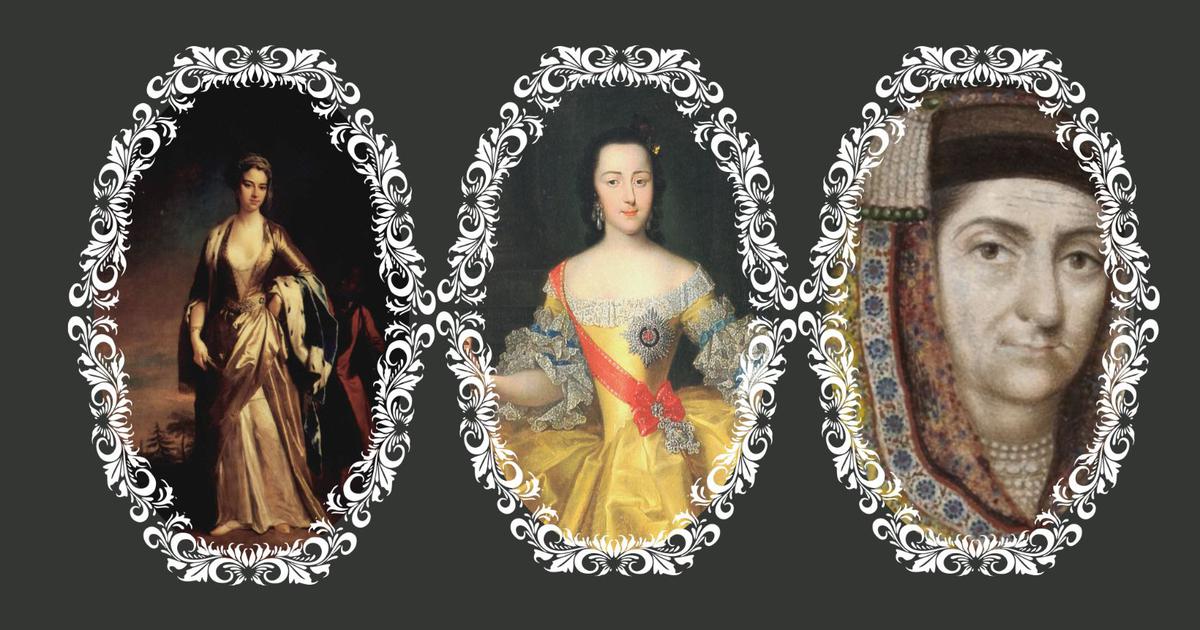
How Begum Samru, Lady Montagu, and Catherine II of Russia, shaped the history of smallpox
Join our WhatsApp Community to receive travel deals, free stays, and special offers!
- Join Now -
Join our WhatsApp Community to receive travel deals, free stays, and special offers!
- Join Now -

In the eighteenth century, the fortunes of a tawaif (courtesan) and nautch girl (court performer), Farzana un-Nissa, turned dramatically when she married a European mercenary and turncoat, General Walter Reinhardt Sombre, who changed sides several times in the turbulent politics of the time.
Farzana was of Kashmiri descent, and after converting to Catholicism, took the name Joanna Nobilis Sombre. Following her husband’s death, she inherited his vast wealth and estate and became the ruler of Sardhana, located in present-day Meerut, Uttar Pradesh. She was buried in Jharsa, present-day Gurgaon, which was her cantonment and military base.
Today, this remarkable concubine-turned-noblewoman is remembered for her extraordinary feats as a military leader, having commanded troops in important battles against the British, before ultimately yielding in the early 19th century. Her astuteness, courage and strategic leadership have earned her a distinct position in British imperial history.
More fascinatingly, she occupies a curious position in the cultural history and myths around smallpox in India. As per legend, she offered prayers at the site when her son contracted smallpox, and miraculously, he recovered. It was after this that the site became revered as a dwelling spot of the goddess, and she is said to have become a patron of the deity.
The site...
Read more
What's Your Reaction?
 Like
0
Like
0
 Dislike
0
Dislike
0
 Love
0
Love
0
 Funny
0
Funny
0
 Angry
0
Angry
0
 Sad
0
Sad
0
 Wow
0
Wow
0