




































![Stylish Ceramic Bowl Set On PepperFry at Just ₹149 [MRP: ₹699]](https://savefree.in/uploads/images/202605/image_870x580_6a159b6e60016.webp?#)


Harsh Mander: The communal, criminal injustice of the stories of Bilkis Bano and Maya Kodnani
Join our WhatsApp Community to receive travel deals, free stays, and special offers!
- Join Now -
Join our WhatsApp Community to receive travel deals, free stays, and special offers!
- Join Now -

In over a decade of the stewardship of prime minister Narendra Modi, India’s criminal justice system has become nakedly, unapologetically, even stridently communally partisan. This partisanship is not new. Virtually every regime – with the arguable partial exception of Jawaharlal Nehru’s tenure as prime minister and the Left state governments – has displayed this partisanship.
However, after 2014, the Indian criminal justice system has bared its unrepentant, even defiant partisan character.
There are no pretences now. There is no need for them.
One of the striking ways in which the rankly communal partisanship of state institutions manifests is in the many ways that the state has ensured impunity for perpetrators of grave hate crimes and mass murder that target India’s Muslim minorities. I will illustrate this with two stories of how impunity was sought for persons convicted for the gravest mass hate crimes. Both relate to the mass murder in the Gujarat carnage of 2002.
The first is the aborted bid to secure remission for the mass rape of Bilkis Bano and the slaughter of 14 members of her family including her young daughter.
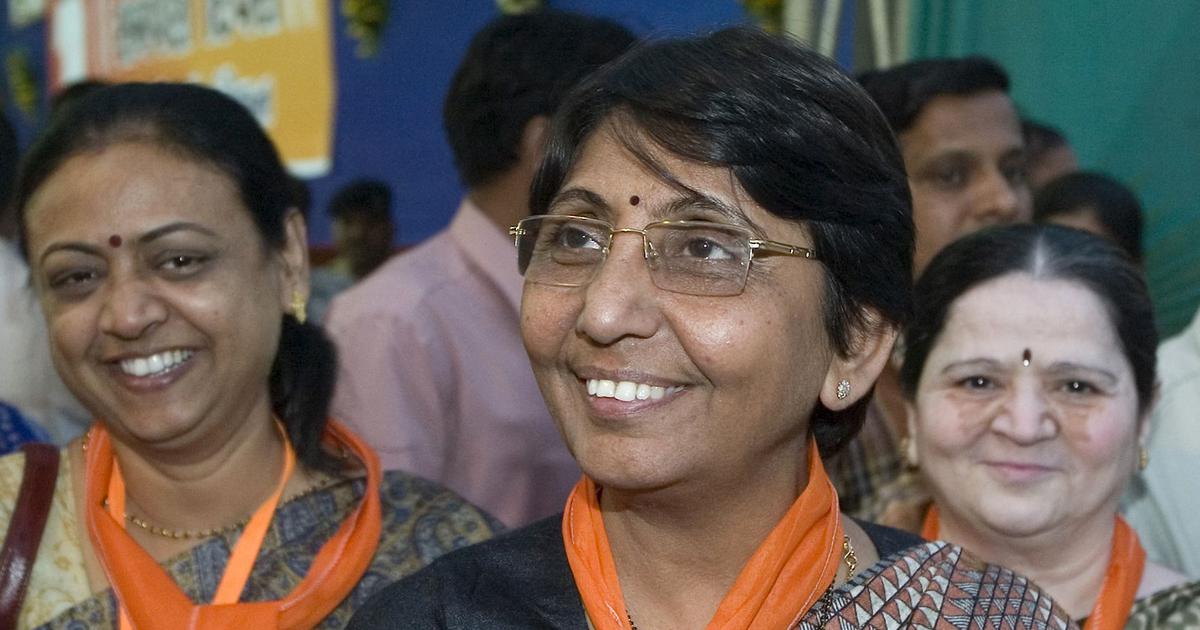
And the second is the story of the acquittal of Maya Kodnani, a former minister in the cabinet of chief minister Narendra Modi in Gujarat, who...
Read more
What's Your Reaction?
 Like
0
Like
0
 Dislike
0
Dislike
0
 Love
0
Love
0
 Funny
0
Funny
0
 Angry
0
Angry
0
 Sad
0
Sad
0
 Wow
0
Wow
0