




























From Kerala to Kargil, ‘Muslim’ ecologies are syncretic and intertwined with the landscape
Join our WhatsApp Community to receive travel deals, free stays, and special offers!
- Join Now -
Join our WhatsApp Community to receive travel deals, free stays, and special offers!
- Join Now -

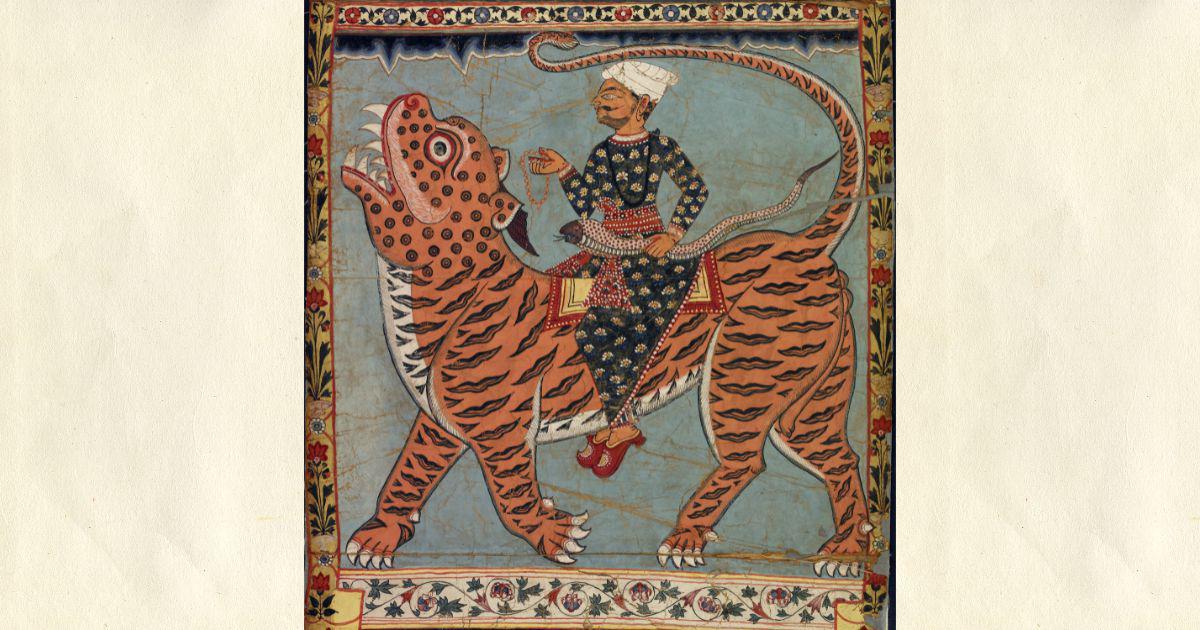
In the vast mangrove delta of the Sundarbans, where the Bengal coast dissolves into tidal rivers and dense forest, survival depends on more than a boat and a net. Before entering the forest to collect honey or cut wood, fishermen and wood-gatherers stop at small shrines along the treeline to invoke Bonbibi, a figure one 19th traveller called a “strange goddess”, believed to be the keeper of the forest.
Bonbibi is, by origin, a Muslim figure. Her legend, interwoven with the tiger god Dakshin Ray and the mediating saint Ghazi Miyan, forms the cosmological grammar of an entire ecosystem: a shared sacred world in which tigers, humans, forest spirits, and Muslim saints negotiate the boundary between the wild and the habitable.
What, exactly, makes this a Muslim ecology? Not the presence of Muslims as such. Hindu, animist, and tribal communities too invoke Bonbibi. What makes it Muslim is that an Islamic idiom – a saint, a sacred genealogy, a moral vocabulary of protection and transgression drawn from Islamic devotional practice – has become one of the registers through which an entire regional community, across religious lines, understands and regulates its relationship with a dangerous and necessary landscape.
This essay is about Muslim ecologies: not environmental knowledge...
Read more
What's Your Reaction?
 Like
0
Like
0
 Dislike
0
Dislike
0
 Love
0
Love
0
 Funny
0
Funny
0
 Angry
0
Angry
0
 Sad
0
Sad
0
 Wow
0
Wow
0