






















![Limited-Time HP Laptop - Chromebook 14 MediaTek Kompanio 540 Laptop at Just ₹27,990 [MRP: ₹58,733]](https://savefree.in/uploads/images/202608/image_870x580_6a757c0d3f2a3.webp?#)


Could silkworm nutrition, natural dyes change how Pashmina silk is produced?
Join our WhatsApp Community to receive travel deals, free stays, and special offers!
- Join Now -
Join our WhatsApp Community to receive travel deals, free stays, and special offers!
- Join Now -

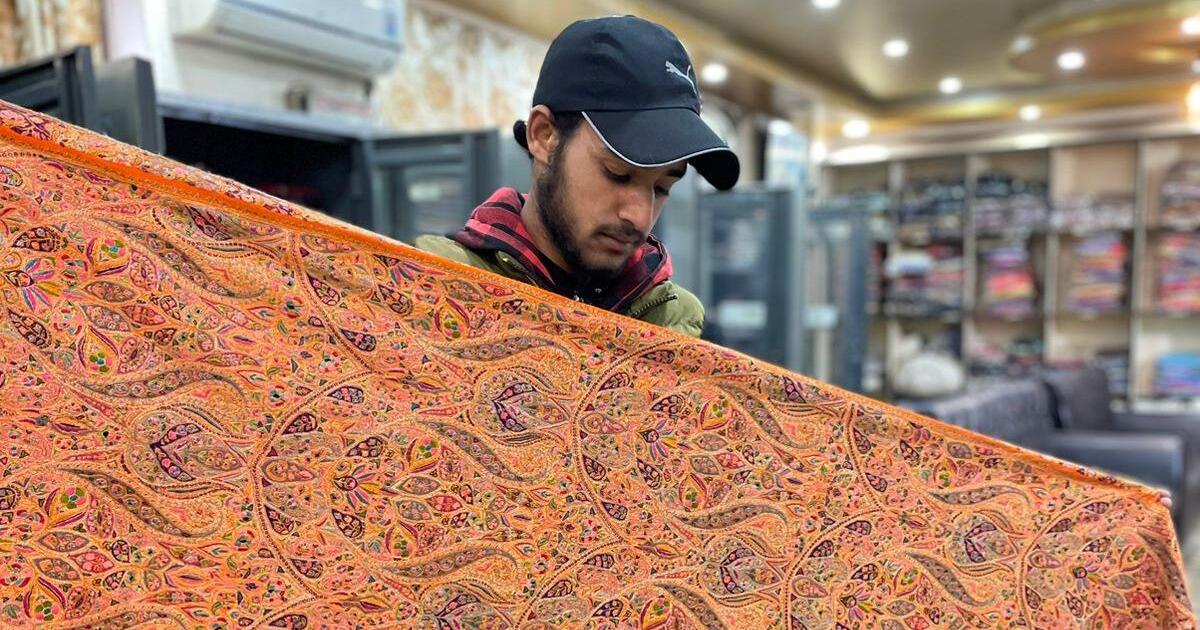
Colour is at the heart of Kashmir’s textile traditions, especially for the world renowned Pashmina shawls and Kashmir silks. Yet producing these rich hues often comes with an environmental cost to ecosystems.
Studies show that many textile industries use synthetic dyes during dyeing and printing processes. When wastewater from these processes is released without proper treatment, these chemicals can enter rivers and streams polluting water and harming aquatic life. Globally, the textile industry is among the largest sources of water pollution, with the dyeing processes contributing significantly to chemical discharge.
Researchers in Kashmir are now exploring alternative ways to colour these fibres using plant-based natural dyes for pashmina and feeding pigment-infused diets to silkworms for them to spin naturally coloured silk. These approaches, they say, aim to reduce textile production’s contribution to pollution while maintaining the value of high-end natural fibres.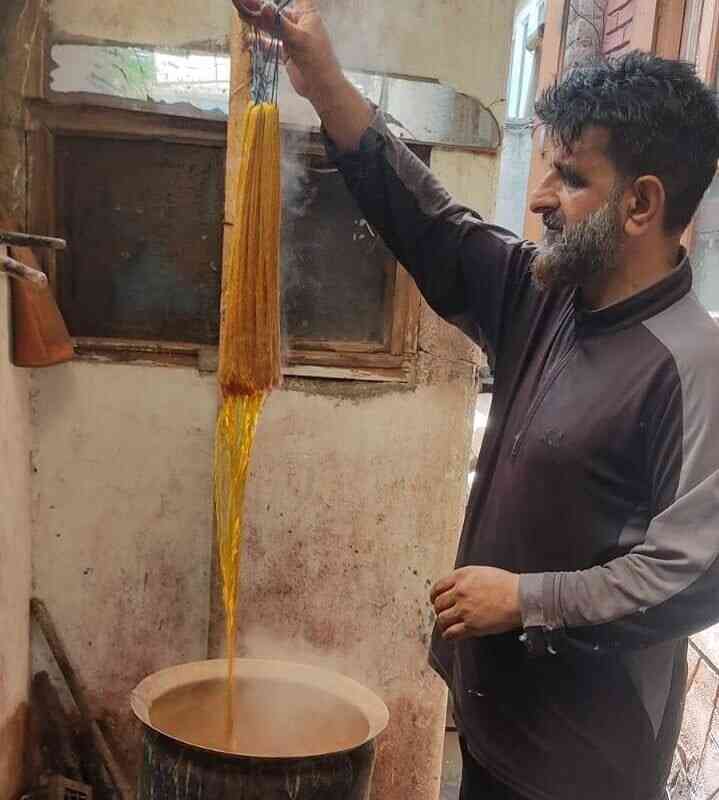
Plant-based natural dyes
Pashmina from the Ladakh region is considered one of the world’s most luxurious natural fibres. The woollen fibre comes from the undercoat of Changthangi goats raised in the extremely cold, high-altitude Changthang plateau of Ladakh at around 3,500-4,000 metres above sea level.
“The global reputation of Kashmiri Pashmina is also closely linked to the traditional craftsmanship of Kashmiri artisans,” Asif Hassan, a professor in the division of...
Read more
What's Your Reaction?
 Like
0
Like
0
 Dislike
0
Dislike
0
 Love
0
Love
0
 Funny
0
Funny
0
 Angry
0
Angry
0
 Sad
0
Sad
0
 Wow
0
Wow
0