




























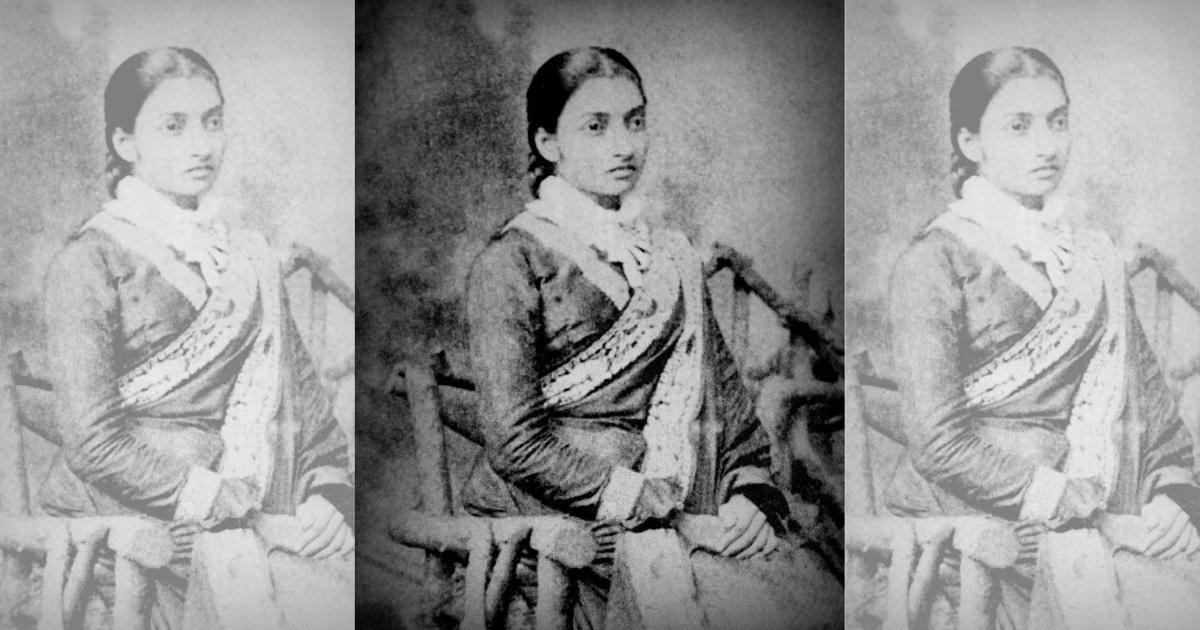
A new book looks at the history of the sari and all that it supports socially and economically
Join our WhatsApp Community to receive travel deals, free stays, and special offers!
- Join Now -
Join our WhatsApp Community to receive travel deals, free stays, and special offers!
- Join Now -

The deep involvement and complete sense of identity of the Indian woman with the sari, has made her resist the pressure to change her style of dress, inadvertently providing continuity in weaving traditions of every part of the country. The sari represents a culture in which the woven and textured-with-pattern garment; unpierced or intruded upon by the stitching needle; was considered not only more appropriate in terms of aesthetics and climate, but was also an act of greater purity and simplicity. It is difficult to historically ascertain the sari’s evolution as a single piece drape, though in many parts of India (Kerala, the six northeast states, Rajasthan and Gujarat), its possible preceding versions of two or three-piece drapes, continue to be worn.
The sari allows us to go back at least a thousand years in terms of design. It is conceived on the loom as a three-dimensional garment with variables in pattern, weave and structure between its inner and outer end-pieces and its two borders, which provide drape, strength and weight, while the body enhances its drape. All these elements help maintain the form of the sari when it is worn.
A process of awareness began with the Master Weavers Exhibition in 1982...
Read more
What's Your Reaction?
 Like
0
Like
0
 Dislike
0
Dislike
0
 Love
0
Love
0
 Funny
0
Funny
0
 Angry
0
Angry
0
 Sad
0
Sad
0
 Wow
0
Wow
0