





































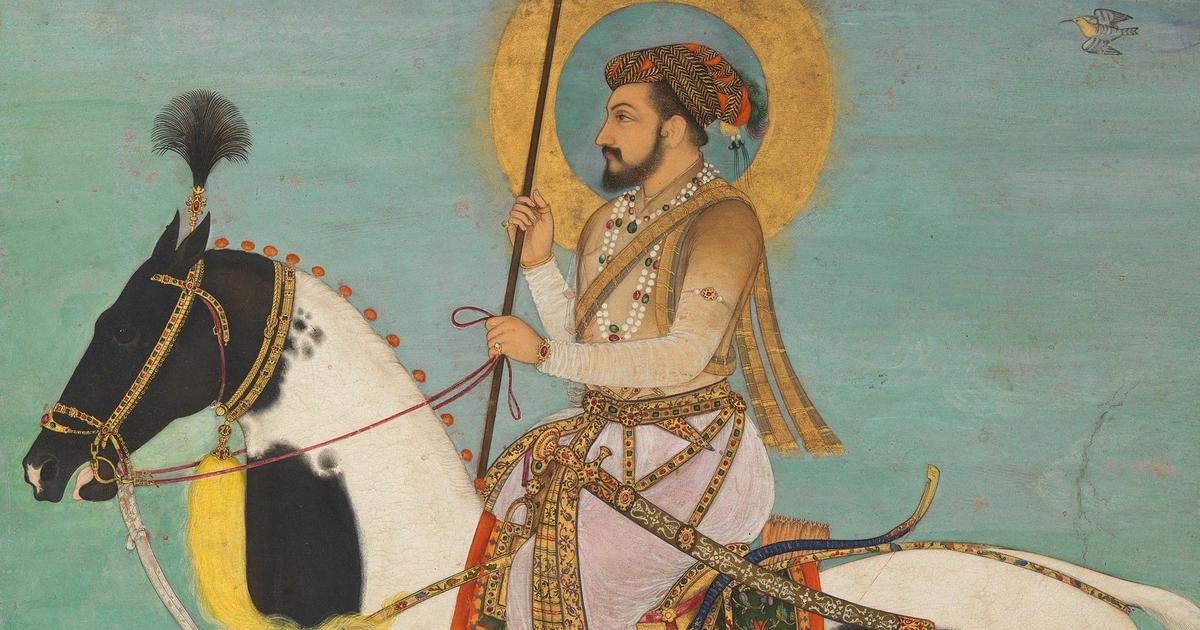
The Hindu disciple of a Muslim saint in Shah Jahan’s India
Join our WhatsApp Community to receive travel deals, free stays, and special offers!
- Join Now -
Join our WhatsApp Community to receive travel deals, free stays, and special offers!
- Join Now -

Public discussions of the Mughal Empire today are often framed in terms of conflict between religious communities. Yet the surviving records of 17th-century India frequently tell a more complicated story.
One such document, preserved at Aligarh Muslim University, offers a glimpse of a social world where religious identities were real and important, but did not always function as rigid boundaries.
The document is the Tazkira-i Pir Hassu Teli. Written between 1644 and 1647 during the reign of Shah Jahan, it narrates the life and miracles of a Muslim saint, Pir Hassu Teli, and his successors. This biography of a holy man was composed a Hindu Mughal official named Surat Singh, a devotee who belonged to a different religious tradition entirely.
Who was Surat Singh?
Surat Singh belonged to a Kambo family from Punjab. His ancestors had been traders, but by the early 17th century his family had entered Mughal service. He held various administrative positions, moving between Lahore, Bhatinda, Kabul and Agra.
More significantly, he became a disciple in a mystical order centred around Pir Hassu Teli and his successor, Shaikh Kamal. The Tazkira, thus, is the work of a believer.
Surat Singh’s identity was multiple and layered: a Hindu, born into the Kambo caste, a Mughal servant, a Persian poet, and a disciple of a Muslim saint....
Read more
What's Your Reaction?
 Like
0
Like
0
 Dislike
0
Dislike
0
 Love
0
Love
0
 Funny
0
Funny
0
 Angry
0
Angry
0
 Sad
0
Sad
0
 Wow
0
Wow
0