


































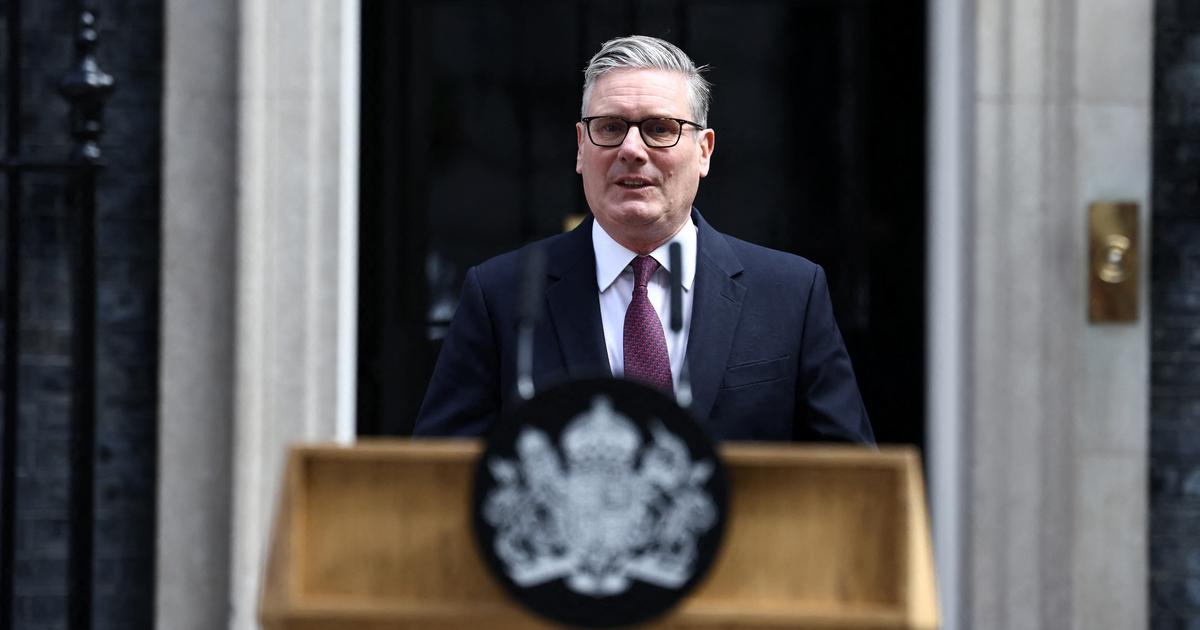
The Brexit effect: How the politics of grievance devoured British Prime Minister Keir Starmer
Join our WhatsApp Community to receive travel deals, free stays, and special offers!
- Join Now -
Join our WhatsApp Community to receive travel deals, free stays, and special offers!
- Join Now -

The labels Leave and Remain need little introduction to anyone with even a fleeting interest in British politics. The terms do not simply refer to someone’s position on United Kingdom-European Union relations, they can also provide a shorthand for their broader beliefs and values.
The terms emerged as group identities and, to the opposing sides, often as pejorative shorthand for the other camp. That these labels retain potency ten years after the Brexit referendum suggests that identity is the default prism through which many people in the United Kingdom now view politics.
My research focuses on continuity and change in political insults, and I try to understand if modern politics is more divided and uncivil than it was in the past. I am particularly interested in how politicians use Aristotle’s key modes of persuasion: ethos (appeals based on the character of the speaker); pathos (appeals to emotion); and logos (appeals to logic).
The “Brexit effect” on the rhetoric of British politics is one of the most damaging legacies of the referendum. It has seemingly resulted in a rhetorical culture in which ethos and pathos are of far more value, and so far more prevalent, than logos. This affects you whether you’re a Leaver or Remainer.
Uncivil rhetoric was often highlighted throughout...
Read more
What's Your Reaction?
 Like
0
Like
0
 Dislike
0
Dislike
0
 Love
0
Love
0
 Funny
0
Funny
0
 Angry
0
Angry
0
 Sad
0
Sad
0
 Wow
0
Wow
0