
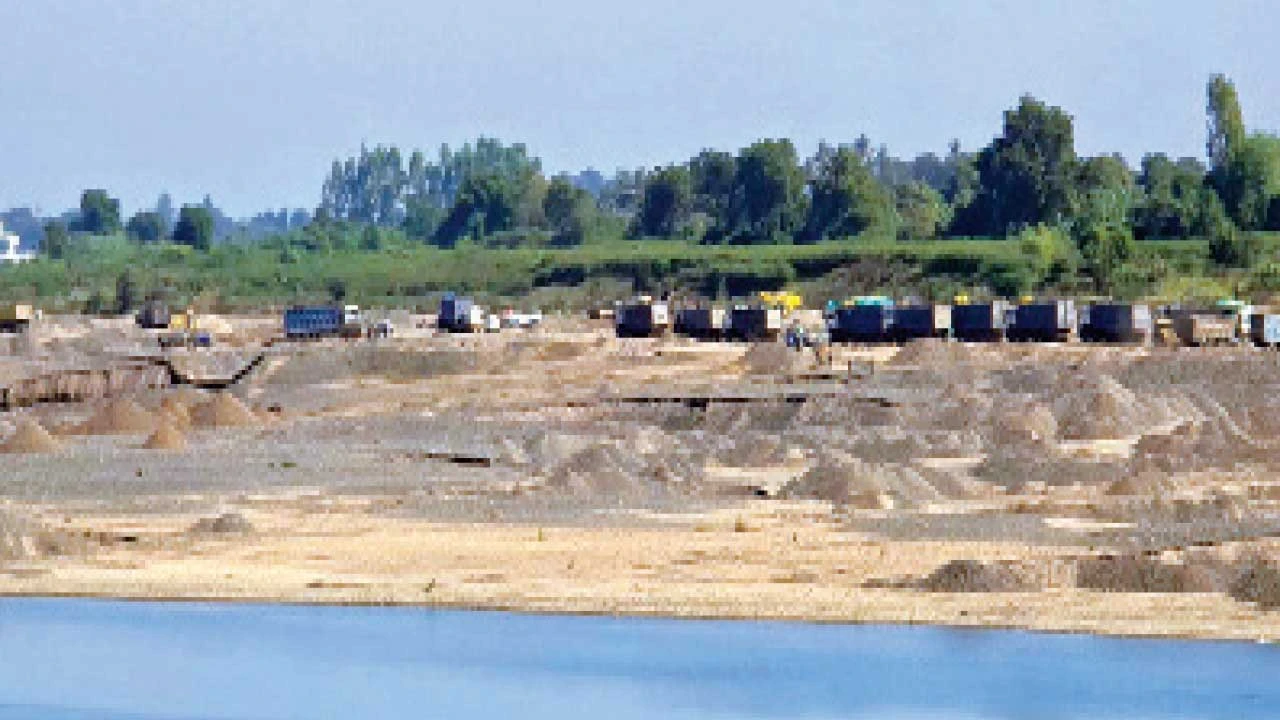





































Study maps habitat regions as dhole populations dwindle in Asia
Join our WhatsApp Community to receive travel deals, free stays, and special offers!
- Join Now -
Join our WhatsApp Community to receive travel deals, free stays, and special offers!
- Join Now -

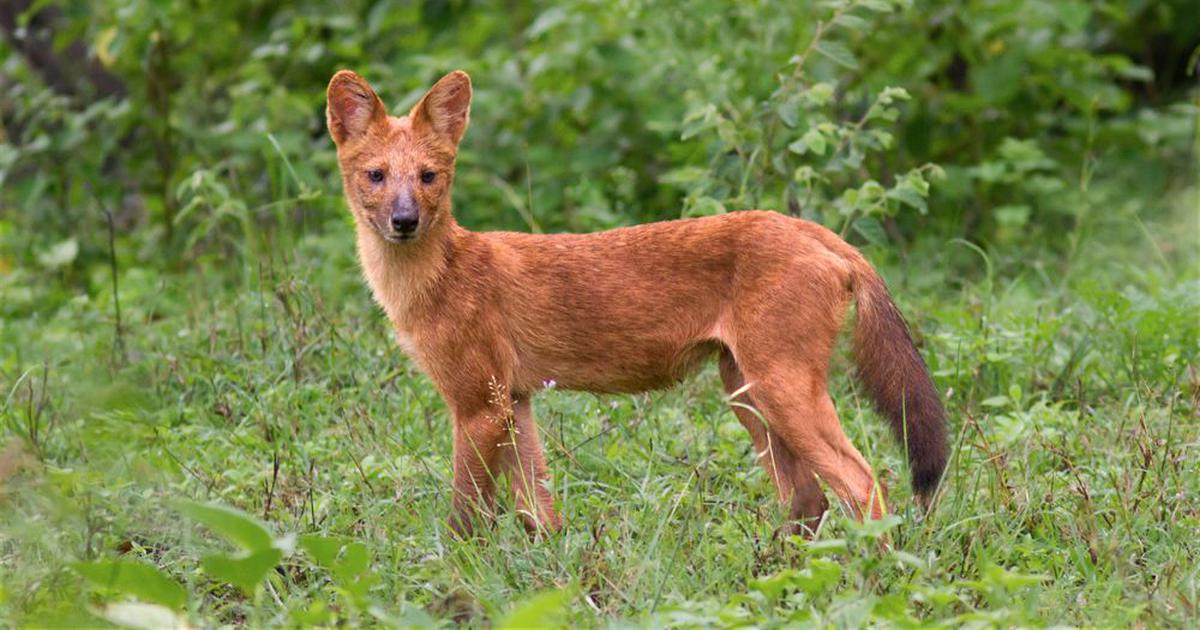
Once found in the alpine, temperate, tropical, and subtropical forests across Asia, the dhole, or Asiatic wild dog, has now disappeared from much of its former range. Known for its high-pitched whistles, coordinated pack hunts, and remarkable endurance, this wide-ranging carnivore now survives in only small, fragmented populations due to habitat loss, prey decline and increasing human pressures.
A recent large-scale study has now mapped suitable habitats where these elusive wild dogs could persist. It spanned 12 countries within the dhole’s known range, grouped into three regions: Mainland China, the Indian subcontinent (India, Nepal, Bhutan and Bangladesh), and Southeast Asia (Myanmar, Thailand, Laos, Vietnam, Cambodia, Malaysia and Indonesia).
Researchers assessed which landscapes still provide the ecological conditions necessary for dholes. They then used MaxEnt (Maximum Entropy) modelling, a computational method, to predict habitat suitability using 24 environmental variables (such as climate, ecology, geophysical characteristics, and human impact), which are known to influence the distribution of large, wide-ranging carnivores.
“MaxEnt finds the probability of distribution across the landscape that matches only such environmental conditions, thus predicting habitat suitability only where supported by provided environmental variables,” explains Monsoon Pokharel Khatiwada, corresponding author of the study and member of the IUCN Dhole Working Group.
The team compiled a dataset of 1,604 verified...
Read more
What's Your Reaction?
 Like
0
Like
0
 Dislike
0
Dislike
0
 Love
0
Love
0
 Funny
0
Funny
0
 Angry
0
Angry
0
 Sad
0
Sad
0
 Wow
0
Wow
0