
































In Pakistan, attack on mosque and its fallout reveals evolving landscape of extremist outfits
Join our WhatsApp Community to receive travel deals, free stays, and special offers!
- Join Now -
Join our WhatsApp Community to receive travel deals, free stays, and special offers!
- Join Now -

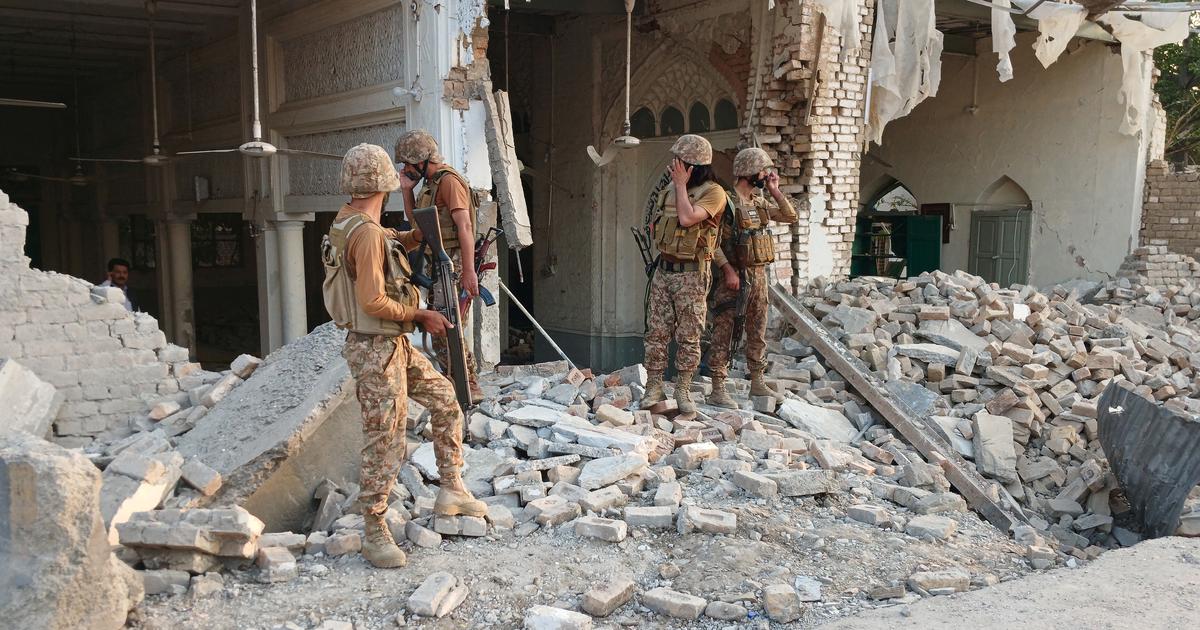
The suicide bombing and gun attack that killed dozens in northwest Pakistan on September 18, 2026, highlighted the fragile security situation in the South Asian country. But it also shone a light on the complex and evolving extremism landscape there and the strained relationship between Pakistan and neighboring Afghanistan.
The assault took place as worshipers gathered for Friday prayers in the city of Kohat, in Khyber Puktunkhwa province, northwest Pakistan. A suicide bomber rammed an explosives-laden car through the wall of a police complex in the city of Kohat, targeting the mosque inside. Gunmen then exchanged fire with law enforcement officials during a 20-hour standoff. In all, 31 people were killed, including 16 police officers, while over 100 people were reported injured.
Supporters of the militant group Ittehad-ul-Mujahideen Pakistan, or IMP, claimed responsibility on encrypted apps like Telegram. But other seemingly aligned groups distanced themselves from the attack. Pakistan responded by conducting airstrikes in Afghanistan, home to at least one of the gunmen.
Over the past two years, we have conducted fieldwork in this region and closely monitored the operational and propaganda activity of violent extremist groups, including the Ittehad-ul-Mujahideen Pakistan. The attack and its fallout reveal much about the state of collaboration and friction among the various militant entities that have fueled violence.
Who is Ittehad-ul-Mujahideen Pakistan?
The Ittehad-ul-Mujahideen Pakistan is a jihadist coalition formed...
Read more
What's Your Reaction?
 Like
0
Like
0
 Dislike
0
Dislike
0
 Love
0
Love
0
 Funny
0
Funny
0
 Angry
0
Angry
0
 Sad
0
Sad
0
 Wow
0
Wow
0








![Cruise 2 Ton 3 Star Inverter Split AC – Now Only ₹38,490 [MRP: ₹64,900] on Amazon!](https://savefree.in/uploads/images/202607/image_870x580_6a6870eb6880c.webp?#)