





















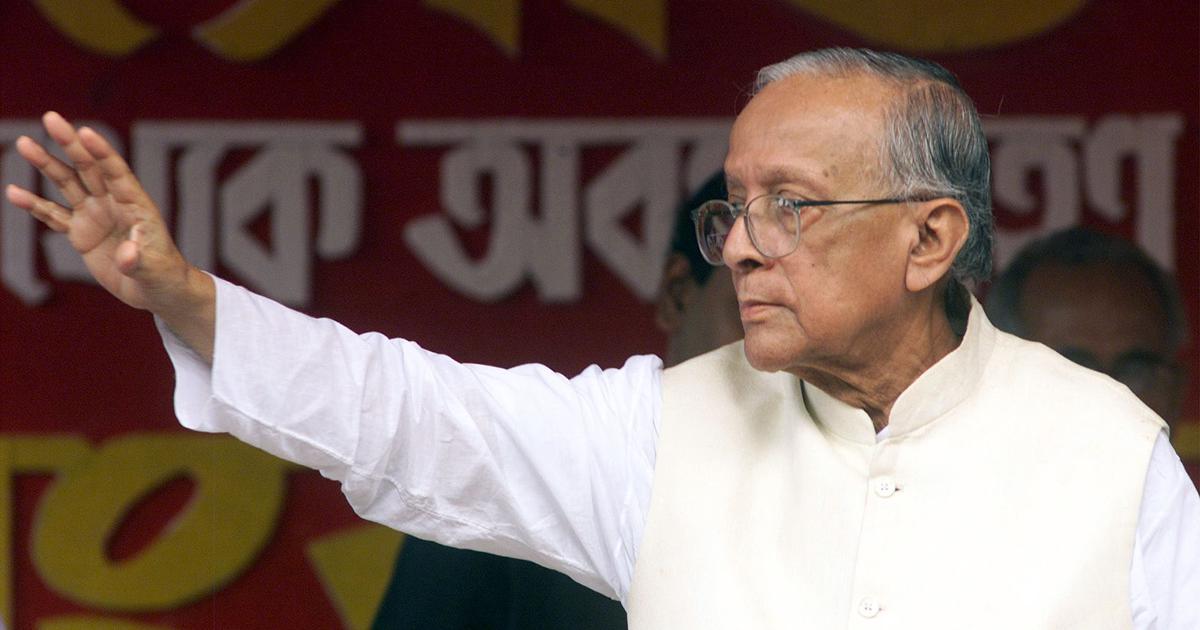
‘Caste in Bengal’ treats caste not as residual folklore but as a living structure of domination
Join our WhatsApp Community to receive travel deals, free stays, and special offers!
- Join Now -
Join our WhatsApp Community to receive travel deals, free stays, and special offers!
- Join Now -

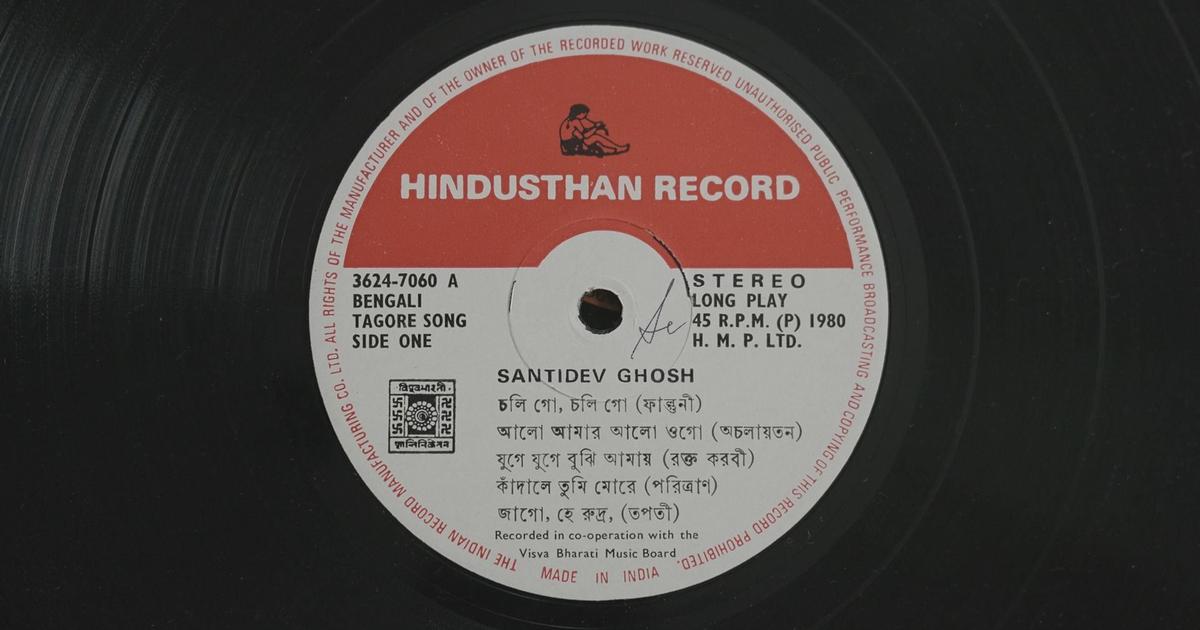
In 1932, Nobel laureate Rabindranath Tagore endorsed a petition claiming Bengali caste Hindus deserved special political representation due to their “overwhelming cultural superiority” and “economic preponderance.” This apparent contradiction, coming from the humanist poet who had written against untouchability in Gitanjali, reveals something profound about caste’s operation in Bengal and the durability of Bengali exceptionalism myths.
Sekhar Bandyopadhyay and Tanika Sarkar’s formidable book Caste in Bengal: Histories of Hierarchy, Exclusion, and Resistance systematically dismantles one of modern Bengal’s most cherished self-images through rigorous historical and ethnographic evidence. This collection treats caste not as residual folklore but as a living structure of domination whose persistence reveals how power reconstitutes itself even under ostensibly progressive transformation.
The editors’ key insight is that the supposed “disappearance” from Bengal is itself a form of caste politics. Colonial Bengal’s diverse caste mechanisms, census classifications, temple restrictions, matrimonial negotiations, and occupational segregation weren’t eliminated by modernity, they were merely camouflaged beneath other categories: class, education, cultural refinement, and regional identity. Whilst caste violence elsewhere assumes spectacular forms, massacres, public humiliations, and forced labour, in Bengal it operates through what Maroona Murmu, professor of history, terms “quiet and non-physical violence” with equally devastating effects.
A quiet violence
The myth of castelessness gained currency through multiple reinforcing mechanisms...
Read more
What's Your Reaction?
 Like
0
Like
0
 Dislike
0
Dislike
0
 Love
0
Love
0
 Funny
0
Funny
0
 Angry
0
Angry
0
 Sad
0
Sad
0
 Wow
0
Wow
0