





































Can age-related fraility be reversed?
Join our WhatsApp Community to receive travel deals, free stays, and special offers!
- Join Now -
Join our WhatsApp Community to receive travel deals, free stays, and special offers!
- Join Now -

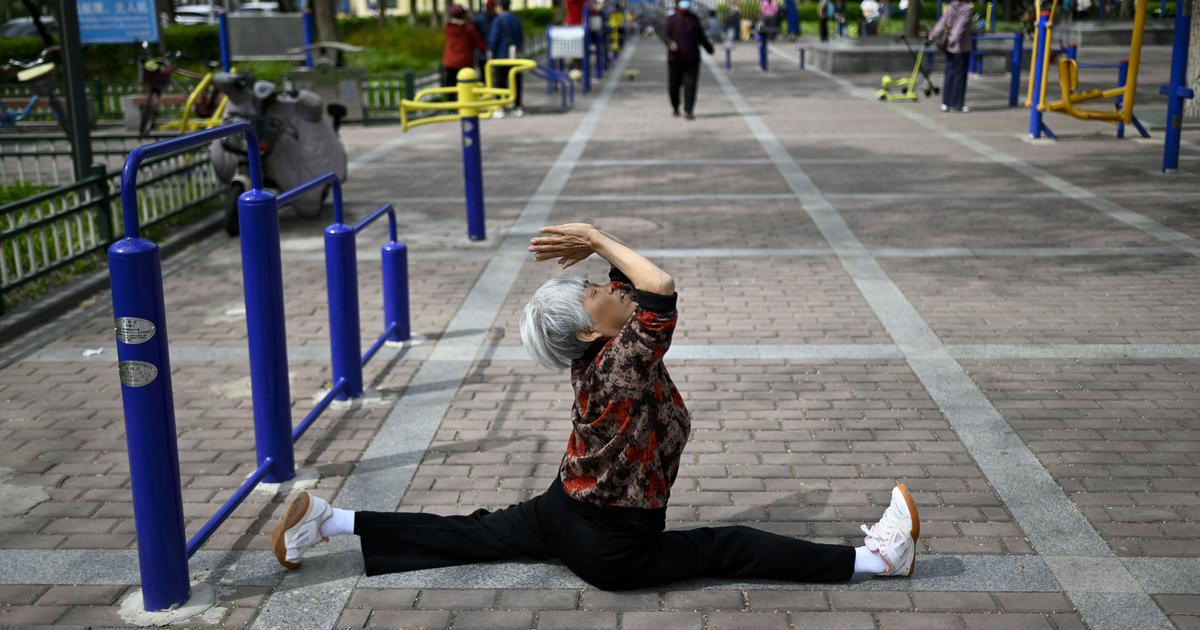
Some of the most powerful interventions to slow or improve frailty are also the most ordinary: regular movement, adequate nutrition and meaningful social connection.
It almost sounds too simple for a condition now recognised as one of the strongest predictors of hospitalisation, disability, poor recovery from illness or surgery, nursing home admission and death in later life.
Older adults living with frailty have less physiological reserve: the body’s spare capacity to cope with illness, injury or stress. A relatively small event, such as a chest infection, a medication change or even a few days in bed, can trigger a sudden loss of independence. Meanwhile, a more robust older adult may recover quickly from a more serious illness.
How we age can vary greatly, even between people of the same age. One 82-year-old may stay active and independent, while another struggles to rise from a chair and becomes increasingly dependent after a short hospital stay.
The growing recognition that frailty, rather than age alone, shapes how people age is changing the way clinicians and researchers think about later life. While living longer is one of society’s greatest achievements, frailty and its evidence-based management have become increasingly important public health and clinical concerns.
Checking for frailty is now routine in many healthcare settings for adults...
Read more
What's Your Reaction?
 Like
0
Like
0
 Dislike
0
Dislike
0
 Love
0
Love
0
 Funny
0
Funny
0
 Angry
0
Angry
0
 Sad
0
Sad
0
 Wow
0
Wow
0